ISO 50001 Awareness Training That Gets Your Teams Aligned
A site-focused, instructor-led programme that turns ISO 50001 from a standard on paper into something your people actually understand and use, tailored to your site, your systems and the roles the standard touches.
- Built for your site, systems and roles, not a generic ISO course
- Explains what ISO 50001 actually requires of each team in practice
- Facilitated as discussion and walkthrough, not a passive presentation
- Leaves a shared baseline understanding the whole site can build on
- Part of SHV Energy
- ISO 50001
What This Service Is
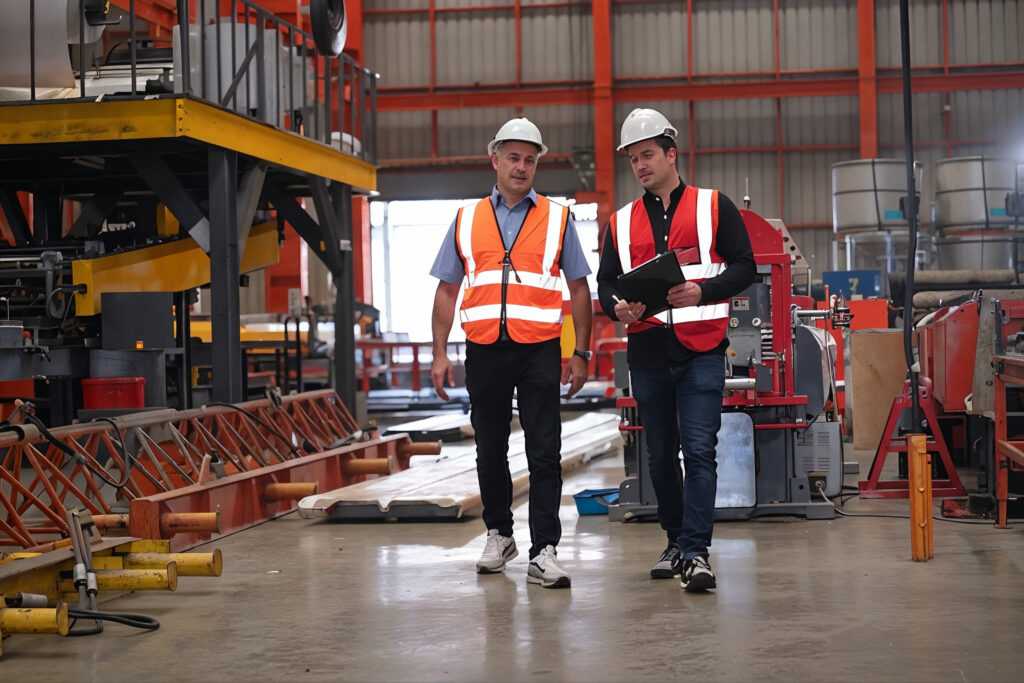
This is a site-focused, instructor-led programme delivered by EM3 to plant leadership teams, energy managers and the personnel responsible for implementing or supporting an energy management system. It is not a generic introduction to ISO standards. It is a structured engagement where we walk your teams through what ISO 50001 actually means in the context of your own site, your own systems and your own operational responsibilities.
The content is centred on the ISO 50001 framework, but described in practical terms: how the standard applies in reality, how energy management is expected to function within operations, and what role different individuals and teams play in maintaining and improving performance. It is typically delivered on site over multiple days or structured sessions, and in shorter formats as a more focused awareness session, depending on the depth required and the audience involved.
Governing standardISO 50001
The Challenge It Solves
The clients who engage us for this training are not starting from zero. Typically ISO 50001 either exists on paper or has been introduced at a corporate level, but it has not yet translated into day-to-day behaviour or decision-making. The people expected to implement it do not clearly understand what it requires from them in practice, so the system is seen as an obligation rather than an operational tool.
The situation is usually characterised by a disconnect between corporate expectations and site-level execution. Management may have committed to ISO 50001, but the individuals responsible for energy performance, maintenance or production decisions do not know how the standard affects their roles, and energy stays something handled by a limited number of people rather than embedded across teams. At this point the barrier is not the absence of a framework, but the lack of understanding of how that framework works in practice, and that cannot be closed through documentation or external certification support alone.
- ISO 50001 on paper, but not in day-to-day behaviour
- People unsure what the standard actually requires of them
- A disconnect between corporate commitment and site execution
- Energy handled by a few, rather than embedded across teams

How EM3 Delivers It
Scope and tailor the content
We prepare the training content in advance, aligned with ISO 50001 principles and tailored to your context, systems and responsibilities. It is organised specifically for you, not pulled off a shelf.
Map it to the audience and roles
We identify the relevant teams, plant leadership, energy managers, and the people whose decisions affect energy performance, maintenance and production, and frame what the standard means for each of them.
Deliver the sessions
We deliver the training through scheduled sessions with the relevant teams, typically over multiple days on site or as a focused awareness session, facilitated directly by EM3.
Explain, discuss, walk through
The sessions are centred on explanation, discussion and walkthrough of how ISO 50001 operates in practice, so the teams actively engage with it rather than sit through a presentation.
Leave a shared baseline
The teams leave with a shared baseline understanding of how the standard applies to them, and with the session materials as a reference point afterwards.
What You Receive
Trained, aligned personnel
People who understand how ISO 50001 applies to their roles and how it is expected to function within the site.
A shared baseline understanding
A common understanding across all the teams involved, so the system can be implemented or progressed in a consistent way.
Site-relevant content
Training organised specifically for your context, systems and operations, rather than a generic ISO course.
The session materials
The materials used during the sessions, providing a reference point for the teams after the training is complete.
A bridge from corporate to site
A closing of the gap between a corporate ISO 50001 commitment and the people who actually have to execute it.
Energy embedded across teams
Energy management understood across the teams rather than handled by a limited few.
Proven Outcome
The value of this training is in its connection to real energy management work, not standalone instruction. It is organised specifically for the client and delivered in a way that relates to their operational context, typically as a structured multi-day programme on site, or a shorter focused awareness session, and facilitated directly rather than presented passively.
The organisation leaves with personnel who understand how ISO 50001 applies to their roles and how it is meant to function within the site, and a shared baseline that lets the system be implemented or progressed consistently, instead of a standard that exists formally but is never actively used or understood.


Why EM3
Site-relevant, not generic
This is not a generic ISO course. It is a site-relevant engagement aligned with how the system is actually being implemented in your organisation.
Connected to real work
The value comes from its connection to real energy management work rather than standalone instruction, which is what makes it stick.
Practical over theoretical
It is positioned around practical application, how the standard works in reality and what it asks of each role, rather than theoretical explanation.
Tailored, not reused
The content is organised specifically for you, in your operational context, rather than pulled off a shelf and re-run.
How We Engage


Frequently Asked Questions
Is this a generic ISO 50001 course?
No. It is prepared specifically for your site, your systems and your roles, and delivered in your operational context. It explains what ISO 50001 actually means for the people who have to implement it, not the standard in the abstract.
Who is it for?
Plant leadership teams, energy managers, and the personnel responsible for implementing or supporting the energy management system, the people whose day-to-day decisions affect energy performance, maintenance and production.
How long is it?
It depends on the depth required. A full delivery is typically a structured multi-day programme on site; a more focused awareness session can be delivered in a few hours.
What do we get at the end?
The delivery itself, plus the materials used in the sessions as a reference point, and personnel who share a baseline understanding of how ISO 50001 applies to their roles.
We already have ISO 50001 on paper, why do we need this?
Because a system that exists on paper but is not understood across the teams stays an obligation rather than an operational tool. This closes the gap between the corporate commitment and the people who actually have to make it work.
Is it just a presentation?
No. It is centred on explanation, discussion and walkthrough of how the standard operates in practice, so the teams engage with it rather than sit through a slideshow.
Dig Deeper
 Report
Data centre energy reporting: what the EED requires
The recast EU Energy Efficiency Directive has made data centre energy performance a matter of public record. This report explains…
 Upcoming23 Jun 2026
Multi-site ISO 50001: when group certification works, and when it doesn’t
With Graciano Tornero
 Case study
How a European steel processor cut reheat furnace fuel by 14% per tonne rolled
 Article
Ventilation on demand: the quiet win in mining energy
 Framework
The chemical site electrification framework
A six step engineering method for electrifying chemical process heat: map demand by temperature, reduce it, match technologies to temperature…
 Upcoming30 Jun 2026
US heat electrification reality check: carbon, cost & capacity
With James Dooley