How a European steel processor cut reheat furnace fuel by 14% per tonne rolled
Rising gas costs, ETS exposure and buyer pressure pushed a long products steel processor to act on its reheat furnace. EM3 delivered recuperative burners, pressure control, door sequencing and insulation upgrades inside planned outages, cutting furnace fuel by 14% per tonne rolled, verified to IPMVP.

The situation
A European long products steel processor engaged EM3 after two years of rising gas costs and a widening EU ETS bill. The site reheats billets in a gas-fired furnace ahead of the rolling mill, and furnace fuel was the largest single energy line on site by a wide margin. Fuel dominates the steel sector’s energy picture globally, and this plant was no exception: the electrical loads everyone talked about were small next to the heat going through, and out of, the furnace.
The trigger was commercial as much as technical. The carbon price compounds every inefficiency, and the company’s buyers had begun asking decarbonisation questions of the kind raised by initiatives such as SteelZero. The site needed a fuel number moving in the right direction and the evidence to prove it.
The constraint
The furnace runs around the production schedule and stops only for planned maintenance. Any measure had to be installed in normal outage windows, with zero tolerance for unplanned interruption. Product mix also varied week to week, which meant a simple before-and-after fuel comparison would have been meaningless: lighter sections and colder charging weeks would mask or exaggerate any genuine change.
The site also carried limited engineering cover of its own. The programme had to arrive as buildable packages, specified to the point where the plant team and its contractors could install them inside a normal maintenance plan, rather than as a study that generated more work than it removed.
What EM3 engineered
EM3 began with a thermal audit and a full heat balance across the furnace. Off-gas measurement confirmed flue losses at several hundred degrees Celsius, the classic signature of an unexploited recovery opportunity, alongside cold air infiltration through doors and a pressure control loop that had drifted out of tune.
Four measures were specified and delivered. Recuperative burners were retrofitted during a planned outage, preheating combustion air from the off-gas stream. Furnace pressure control was rebuilt to hold a slight positive pressure and stop cold air ingress. Door discipline was engineered rather than requested: sequencing changes and interlocks reduced open-door time instead of relying on memos. The worst sections of refractory and insulation were upgraded in the same outage window.
A hot charging trial ran in parallel, lifting the share of billets charged hot from the caster rather than cold from the yard. Each measure of this kind typically delivers single-digit to low double-digit fuel savings on its own; the programme was designed so they stack.
Verification was designed in from the start: fuel sub-metering on the furnace, a regression baseline of GJ per tonne rolled corrected for product mix and charge temperature, and measurement and verification to IPMVP.
The results
Across twelve months of verified operation, reheat furnace fuel fell by 14% per tonne rolled against the regression baseline. The figure sits comfortably inside the range the measures support: recuperative and regenerative burner retrofits alone are typically worth 10 to 30% of furnace fuel, and the supporting measures carried the rest.
Every installation went in during planned outages, with no unplanned production interruption attributable to the programme. The ETS saving tracked the fuel saving directly, and the per tonne fuel trend is now part of the evidence pack the commercial team shares with buyers. The regression baseline remains in service, so any future drift in furnace performance shows up in the monthly review rather than in next year’s gas bill.
What it means for the sector
Metals decarbonisation will eventually mean electrification and new process routes, but the economic first move is almost always the furnace you already own. Fuel-side measures typically outrank electrical ones in this sector, they stack well, and they can be verified tightly enough to satisfy a carbon market and a customer at the same time. The plants that move first turn a compliance cost into a commercial answer.
Related case studies
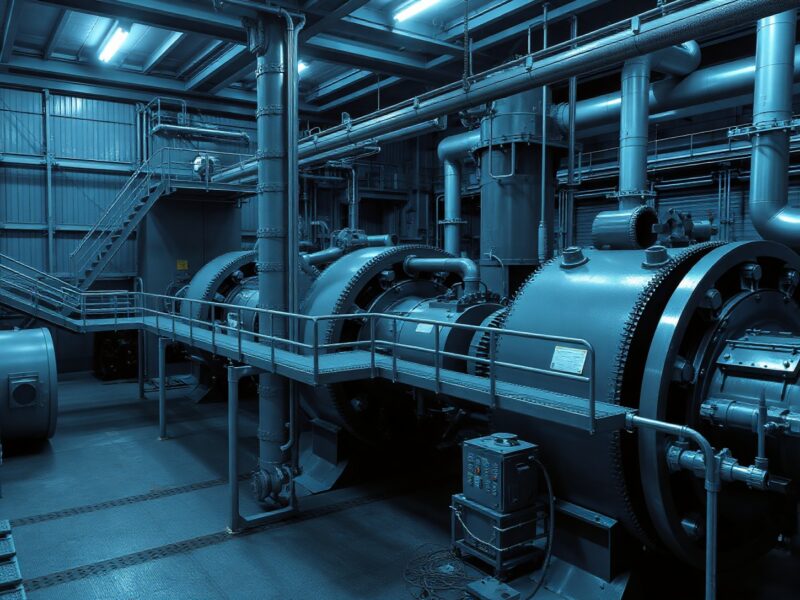 9%reduction in comminution kWh per tonne milledMinerals processing
How a minerals processing site cut comminution energy by 9% without touching throughput
A concentrator with multi-megawatt mill drives and a single site meter needed its grinding energy under control without risking throughput. EM3 sub-metered…
 59%Reduction in total carbon emissions across the organisationPharmaceuticals
How a leading pharmaceutical company reduced carbon emissions by 59%
One of the world's largest pharmaceutical companies partnered with EM3 to transform its energy strategy across 27 manufacturing sites in the United…
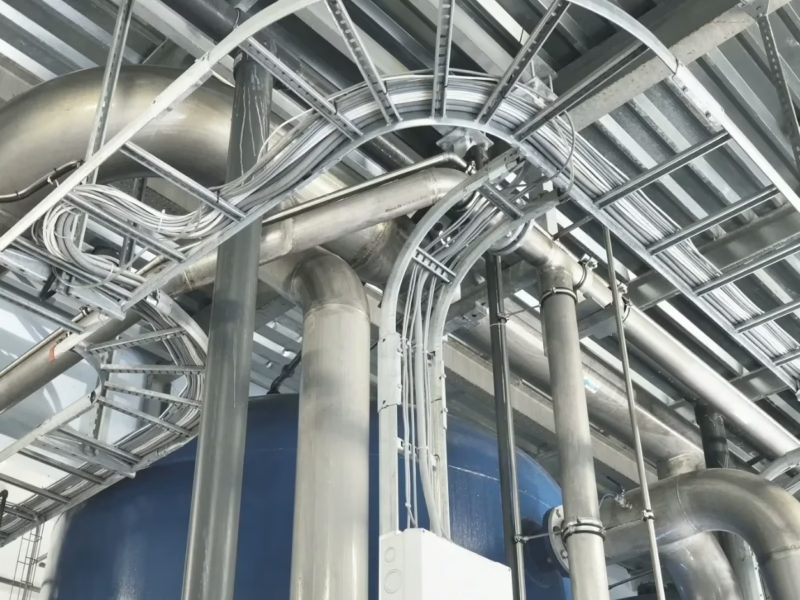 65% to 85%Steam boiler efficiency improvementFood and beverage
New boiler house reduces carbon footprint
In 2019, EM3 partnered with a leading alcohol beverage supplier to conduct a full energy audit of one of its European facilities.…
Could we do the same on your site?
Book a scoping call. We will map your sites, systems and the decisions ahead, then show you where the savings are.