New boiler house reduces carbon footprint
In 2019, EM3 partnered with a leading alcohol beverage supplier to conduct a full energy audit of one of its European facilities. The audit surfaced a range of opportunities, but one stood out: replacing the outdated, 40-year-old boiler house. EM3 designed and project-managed the delivery of a new high-efficiency steam generation plant, lifting steam boiler efficiency from 65% to 85% and cutting gas consumption, with heat recovery and the reuse of a whiskey production by-product adding further layers of sustainability.
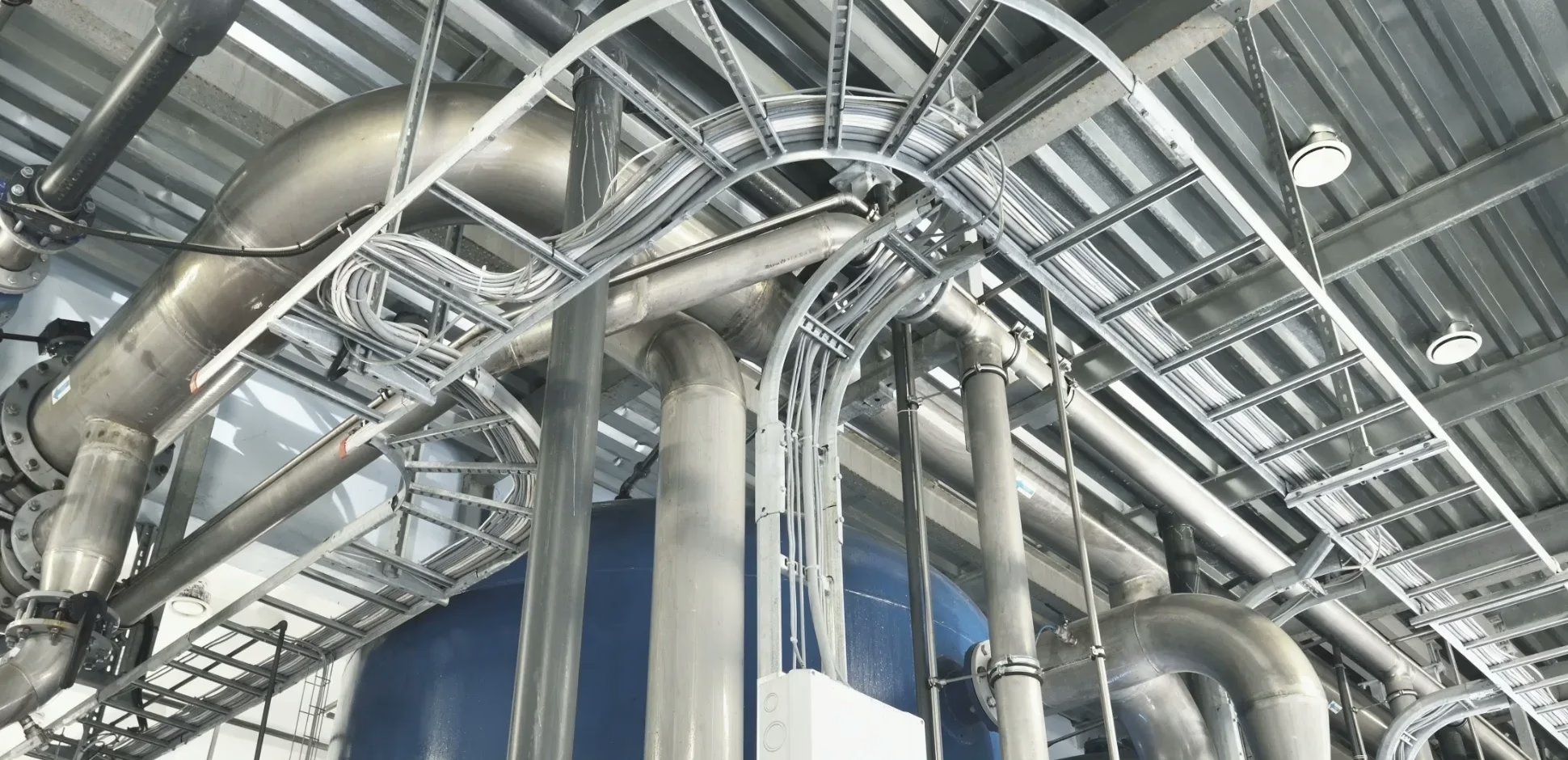

Energy audit spotlights boiler house upgrade
The carbon footprint of whiskey is a growing concern, especially due to its association with luxury consumption. In 2019, EM3 partnered with a leading alcohol beverage supplier to conduct a full energy audit of one of its European facilities. A range of opportunities for improvement emerged from this audit, but one stood out as the most significant: upgrading the outdated boiler house. EM3 went on to design and project-manage the delivery of this new boiler house.
Steam boiler efficiency jumps from 65% to 85% with a new boiler house
The existing boiler house was over 40 years old and was nearing the end of its serviceable life. EM3 recommended installing a high-efficiency steam generation plant that would enhance the overall sustainability of the site. The new building was located approximately 200 to 300 metres away from the original structure. The boiler design, coupled with various heat recovery measures and the incorporation of fusel oil (a by-product of whiskey production), added many layers of sustainability.
The new boiler house is now fully operational, and the results have been impressive. The original steam boiler efficiency stood at 65%. This has now jumped to 85% with the implementation of the new high-efficiency steam boilers.
Additional measures to reduce energy loss and gas consumption
In addition to the enhanced boiler performance, further measures were implemented to reduce energy losses, including: a new deaerator with advanced heating control; a boiler feedwater optimiser heat exchanger system; economisers, reducing flue gas temperature to approximately 120°C on exit; reverse osmosis (RO) and softener units for boiler feedwater; water tanks for heat storage; automated total dissolved solids (TDS) and bottom blowdown control; and advanced combustion controls.
Significant benefits have already been realised from these measures, notably a substantial reduction in gas consumption, aligning with the client’s commitment to environmental sustainability and its goal to reduce its carbon footprint.
Continuing to improve the environmental impact of manufacturing processes
The client has continued its collaboration with EM3 to advance energy management, reduce carbon and cut costs.
Related case studies
 55% to 83%Boiler efficiency improvementFood and beverage
Leading food company phases out heavy fuel oil and upgrades boilers
A major producer of chocolate crumb needed to increase manufacturing output while moving away from its reliance on heavy fuel oil (HFO)…
 21%reduction in refrigeration electricity, IPMVP verifiedDairy processing
How a multinational dairy processor cut refrigeration energy by 21%
A multinational dairy processor's Irish site ran its central ammonia refrigeration plant on the control logic it was commissioned with: fixed head…
 59%Reduction in total carbon emissions across the organisationPharmaceuticals
How a leading pharmaceutical company reduced carbon emissions by 59%
One of the world's largest pharmaceutical companies partnered with EM3 to transform its energy strategy across 27 manufacturing sites in the United…
Could we do the same on your site?
Book a scoping call. We will map your sites, systems and the decisions ahead, then show you where the savings are.