How a multinational dairy processor cut refrigeration energy by 21%
A multinational dairy processor's Irish site ran its central ammonia refrigeration plant on the control logic it was commissioned with: fixed head pressure set for the hottest day of the year, fixed suction and timed defrost. EM3 sub-metered the plant, built a production-normalised baseline, then stepped through floating head pressure, suction optimisation and heat recovery to CIP hot water. The result, verified to IPMVP over twelve months: a 21% reduction in refrigeration electricity with zero lost production hours.
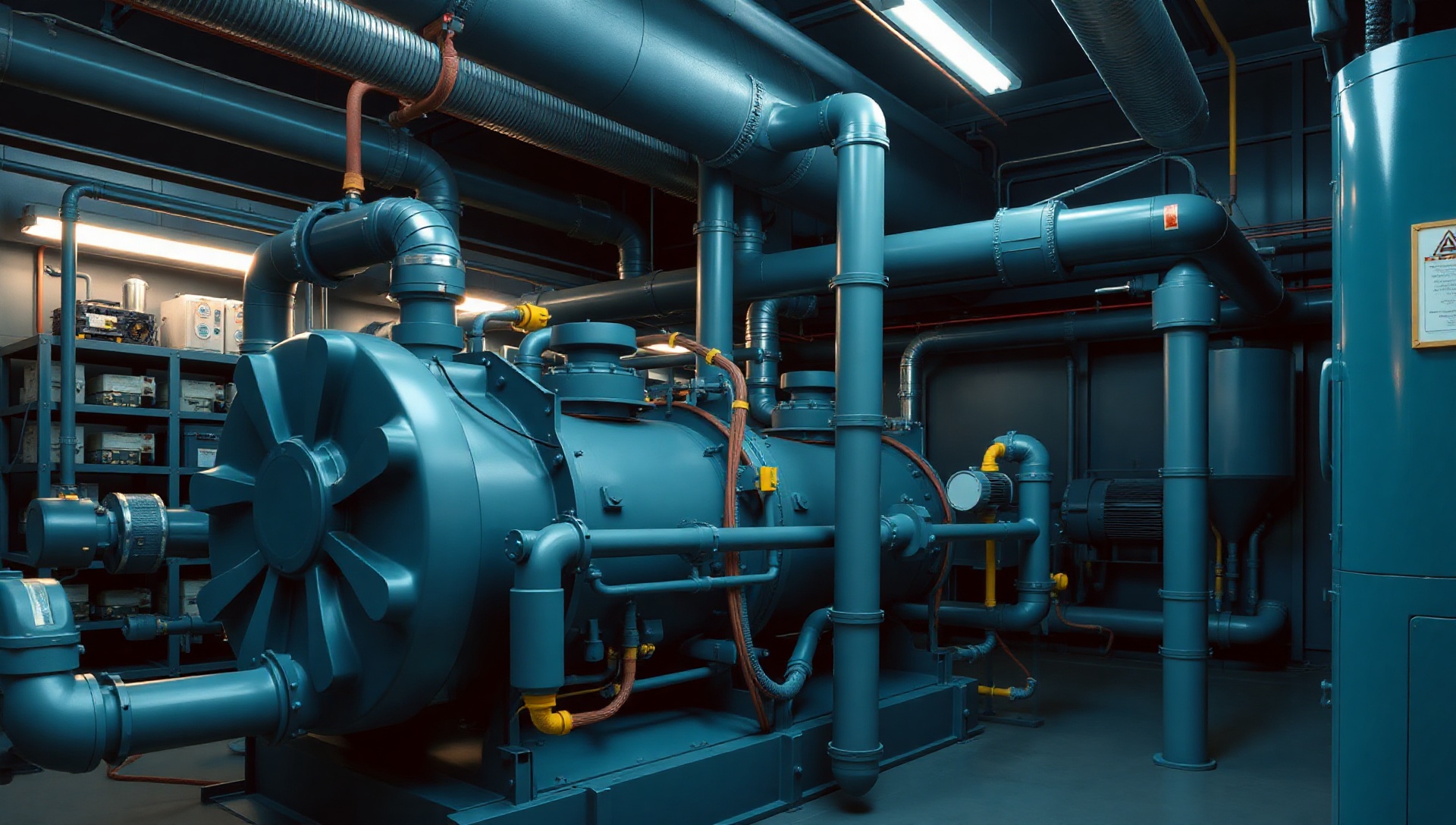
The situation
The site processes liquid milk and chilled dairy products seven days a week, served by a central ammonia refrigeration plant: screw compressors, evaporative condensers, glycol secondary circuits and a cold store. Refrigeration was the largest electrical load on site, consistent with Carbon Trust findings that refrigeration commonly accounts for half or more of energy costs in chilled and frozen food businesses.
The plant ran exactly as it had been commissioned years earlier. Head pressure was fixed at a set-point chosen to cover the hottest afternoon of the year, suction pressures were set conservatively low, defrost ran on timers regardless of frost load, and compressors loaded in a sequence nobody could fully explain. The site held ISO 50001 certification, but its energy performance indicators stopped at the site boundary: there was no sub-metering on the refrigeration plant at all.
The constraint
Product safety and temperature compliance were non-negotiable, and the site had no shutdown windows to offer. Spring and summer milk intake peaks coincide with the worst condensing conditions of the year, precisely when the plant works hardest.
Previous efficiency proposals had stalled for one reason: nobody could evidence that changing a set-point would leave product and room temperatures untouched. Without that evidence trail, quality and operations had no basis to approve anything, and the plant stayed on commissioning-day logic by default.
What EM3 engineered
We started with measurement. Each compressor and the condenser fan group were sub-metered, and two months of data were regressed against production throughput and ambient conditions to build a normalised baseline. That baseline became both the approval evidence and the verification yardstick.
The measures then went in stepwise. Floating head pressure control replaced the fixed worst-day set-point, letting condensing pressure track ambient conditions through the year instead of pretending every day is the hottest one. Suction pressures were raised zone by zone, but only where logged product and room temperatures showed clear margin. Defrost moved from timers to demand. Compressor sequencing was rationalised so machines run near their best efficiency point rather than all part-loaded.
Finally, a desuperheater on the compressor discharge now preheats CIP hot water, recovering heat the condensers used to reject to atmosphere and displacing boiler load. Every change was logged, every product temperature trended, and quality signed off each step before the next began.
The results
Over the following twelve months, verified to IPMVP against the production-and-weather-normalised baseline, refrigeration electricity fell by 21%. The arithmetic behind it is unglamorous: every degree of reduced temperature lift is worth roughly 2 to 4% of compressor power, and the programme removed several degrees of unnecessary lift for most of the year.
The CIP heat recovery delivered a further cut in boiler fuel on top of the electrical saving, because cleaning water that once started cold now starts warm. Through it all, the site recorded zero lost production hours and no product temperature excursions. The monitoring installed for the baseline stayed in place as a permanent monitoring and targeting system, so drift back towards old set-points triggers an alert rather than a quiet twelve-month loss.
What it means for the sector
Most industrial refrigeration plants still run on the logic of their commissioning day, and the Carbon Trust’s view that many plants can cut up to 20% through little or no investment actions matches what we find on the ground. The blocker is rarely technology. It is the absence of evidence that optimisation is safe, and that is a measurement problem before it is a refrigeration problem.
The method transfers directly across the cold chain: meat, beverage, ice cream and cold storage, where refrigeration can reach 90% of energy costs. Measure first, change set-points stepwise, keep the evidence trail, and the cheapest kilowatt hours in the plant are the ones the compressors stop using.
Related case studies
 65% to 85%Steam boiler efficiency improvementFood and beverage
New boiler house reduces carbon footprint
In 2019, EM3 partnered with a leading alcohol beverage supplier to conduct a full energy audit of one of its European facilities.…
 55% to 83%Boiler efficiency improvementFood and beverage
Leading food company phases out heavy fuel oil and upgrades boilers
A major producer of chocolate crumb needed to increase manufacturing output while moving away from its reliance on heavy fuel oil (HFO)…
 59%Reduction in total carbon emissions across the organisationPharmaceuticals
How a leading pharmaceutical company reduced carbon emissions by 59%
One of the world's largest pharmaceutical companies partnered with EM3 to transform its energy strategy across 27 manufacturing sites in the United…
Could we do the same on your site?
Book a scoping call. We will map your sites, systems and the decisions ahead, then show you where the savings are.