A Compressed Air Workshop That Builds a Repeatable Grip on Your Air
A combined technical training programme and practical workshop, built around a best-practices compressed air checklist, that gives your site teams a standardised way to find the losses, optimise the system and manage performance, across existing systems and new installations alike.
- A best-practices checklist plus a hands-on workshop, not a passive talk
- Practical checks that target real energy losses and inefficiencies
- Developed collaboratively and refined with you before delivery
- A standardised approach your teams can apply across systems and sites
- Part of SHV Energy
- ISO 50001
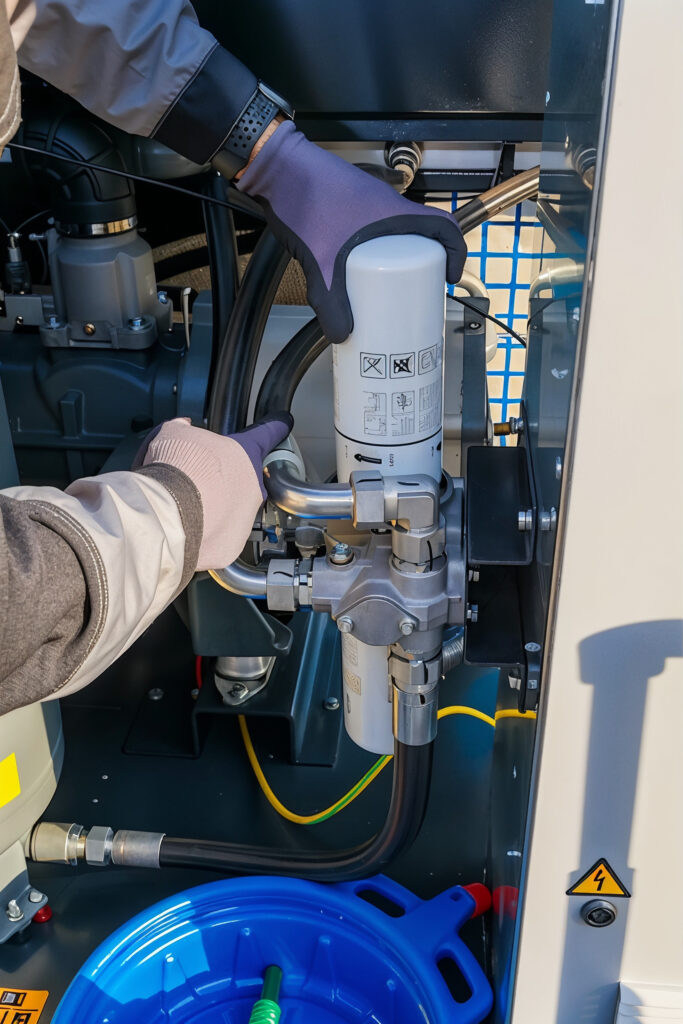
What This Service Is
This is delivered as a combined technical training programme and practical workshop focused specifically on compressed air systems, supported by the development of a structured energy efficiency checklist. It is not a general awareness session. It is a targeted capability-building intervention linked to how compressed air systems are actually operated and managed within industrial facilities.
The checklist is a best-practices tool intended to guide manufacturing sites in improving system performance, reliability and energy efficiency. The workshop presents and explains it, with the objective of building capability on compressed air system management, performance monitoring and optimisation fundamentals. It is structured as a delivery session rather than passive training, and is designed to work in either an in-person or a hybrid format.
The Challenge It Solves
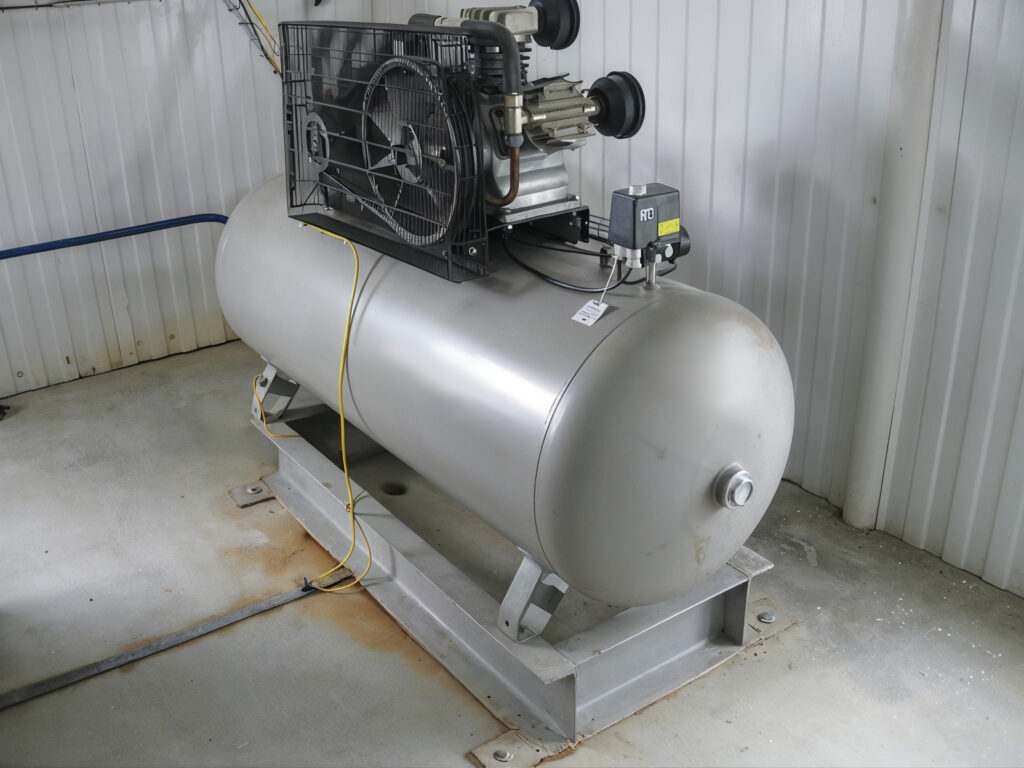
This training is used where a client already operates compressed air systems but does not have a structured, standardised way of managing performance, efficiency and reliability across them. There is a clear need to identify and address the energy losses, inefficiencies and operational issues across the compressed air infrastructure, and to do it consistently rather than site by site.
The need extends beyond existing systems to new installations and system expansions, which points to a situation where compressed air is critical to operations but the decisions around system design, optimisation and operation are not consistently structured or standardised across sites. The starting point is not a lack of awareness. It is a lack of structured, practical guidance on how to improve system performance in a consistent, repeatable way. Without it, the organisation keeps relying on local practices and isolated improvements rather than a single methodology applied across systems and sites.
- Compressed air running, but no standardised way to manage it
- Energy losses and inefficiencies that are never addressed consistently
- Design and optimisation decisions that differ site to site
- Local fixes instead of one repeatable methodology
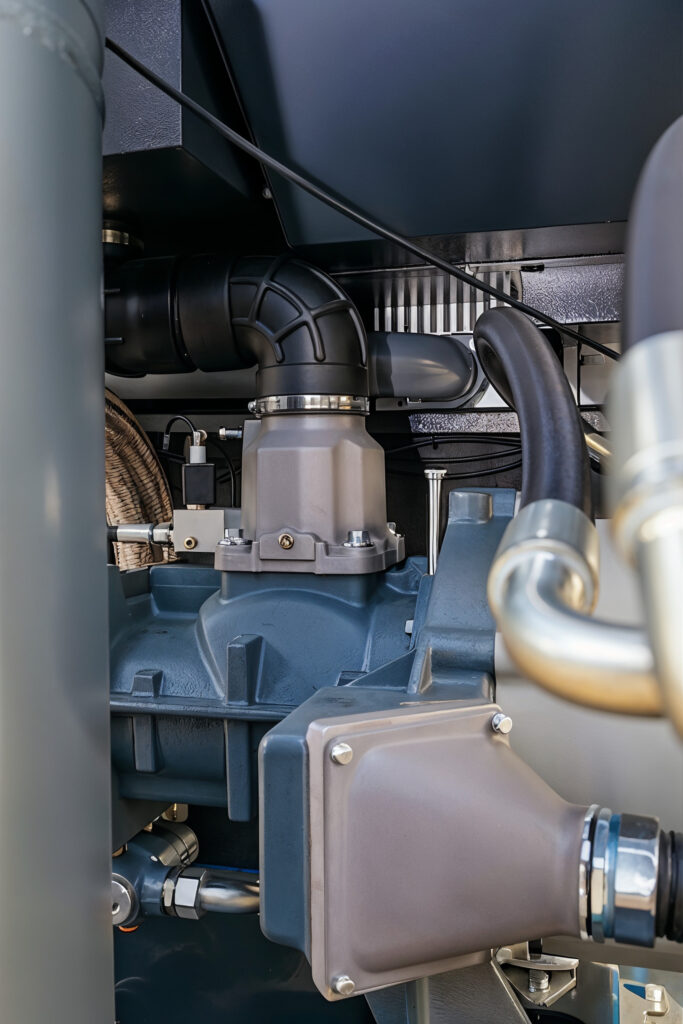
How EM3 Delivers It
Develop the checklist
We develop a compressed air system checklist based on best-practice principles, with detailed, practical checks and actionable items aimed at identifying energy losses, inefficiencies and performance-improvement opportunities across the system.
Build the workshop materials
We develop the workshop materials and agenda around the checklist and the optimisation fundamentals, so the session is built to teach application, not just theory.
Iterate with you
We review and refine the draft materials with you before final delivery, so the checklist and workshop are developed collaboratively and fit your systems, rather than being delivered as a fixed product.
Deliver the workshop
We deliver the workshop to your site teams, presenting the checklist and explaining how it should be applied, as a delivery session rather than a passive presentation, in person or hybrid.
Transfer the capability
We engage directly with the site teams to support their understanding and application, so the framework is genuinely transferred to the people who run the systems, not left as a document.
What You Receive
A compressed air system checklist
A fully developed, best-practices checklist designed to be used across your manufacturing sites as a standardised tool for performance, efficiency and reliability.
Actionable checks
Detailed, practical checks and actionable items targeting the energy losses, inefficiencies and improvement opportunities across the system.
The delivered workshop
A workshop where the checklist is presented and explained and its application is worked through, in person or in a hybrid format.
Workshop materials
The materials used during the session, kept as a reference for the teams afterwards.
Built capability
Site teams who can actually apply the checklist and the optimisation fundamentals: management, performance monitoring and improvement.
A standardised approach
A defined, repeatable approach to compressed air management across your systems and sites, covering existing systems and new installations and expansions.
Proven Outcome
The value here is getting both a tool and the capability to use it. We develop a best-practices compressed air system checklist, detailed, practical checks and actionable items that target energy losses, inefficiencies and improvement opportunities, and then deliver the workshop that explains how to apply it and transfers it directly to the site teams.
It is developed collaboratively, with a review-and-refine step before final delivery, so it fits your systems rather than being a fixed product. The result is a standardised, repeatable approach to compressed air management, across existing systems and new installations alike, instead of local practices and isolated fixes.

Why EM3
Content and delivery, together
We both develop the checklist and deliver the workshop, so the technical content creation and the training delivery are joined up rather than handed between different parties.
A transferred framework, not a document
You get a defined, best-practices framework that is explained and transferred directly to your site teams through the workshop, rather than left as a standalone document that nobody opens.
Practical, not high-level
This is targeted at practical tools and structured knowledge applied directly to your compressed air systems, not general awareness or high-level strategy.
Built with you
The checklist and workshop are developed collaboratively, with a review-and-refine iteration before final delivery, so they fit your systems and sites.
How We Engage


Frequently Asked Questions
Is this just a presentation about compressed air?
No. It is a combined programme: we develop a best-practices compressed air checklist and deliver a hands-on workshop that explains how to apply it. It is a delivery session and a capability-building intervention, not a passive talk.
What is the checklist?
A best-practices tool with detailed, practical checks and actionable items aimed at identifying energy losses, inefficiencies and performance-improvement opportunities across your compressed air system, designed to be used as a standardised tool across your sites.
Does it cover new systems, or only existing ones?
Both. It supports the management and optimisation of existing systems and provides guidance for new installations and system expansions, so the same standardised approach applies across the board.
How long is the workshop?
The workshop itself is typically a one-day session, on top of the checklist and material development beforehand, and it can be delivered in person or in a hybrid format.
Is the checklist generic or tailored?
It is developed collaboratively, with a review-and-refine step where the draft materials are refined with you before final delivery, so it fits your systems rather than being an off-the-shelf document.
What do we walk away with?
A fully developed compressed air checklist, the delivered workshop and its materials, and site teams who can actually apply the framework to improve performance, efficiency and reliability.
Dig Deeper
 Report
Data centre energy reporting: what the EED requires
The recast EU Energy Efficiency Directive has made data centre energy performance a matter of public record. This report explains…
 Upcoming23 Jun 2026
Multi-site ISO 50001: when group certification works, and when it doesn’t
With Graciano Tornero
 Case study
How a European steel processor cut reheat furnace fuel by 14% per tonne rolled
 Article
Ventilation on demand: the quiet win in mining energy
 Framework
The chemical site electrification framework
A six step engineering method for electrifying chemical process heat: map demand by temperature, reduce it, match technologies to temperature…
 Upcoming30 Jun 2026
US heat electrification reality check: carbon, cost & capacity
With James Dooley