Technology Evaluation & Selection That Picks the Right Solution for Your Site
Once a project is proven viable, the question becomes which technology is right for this site, and which should be rejected. We engineer that decision from first principles and test it against how the system will actually perform on your floor.
- Independent: we supply no equipment and answer to no manufacturer
- Every option tested against your real infrastructure, loads and constraints
- Technical and financial comparison, like for like, not vendor best-case
- A defensible selection, with clear reasons the alternatives were rejected
- Part of SHV Energy
- ISO 50001

What This Service Is
Technology Evaluation and Selection is the stage where EM3 determines which specific solution should be taken forward once a project opportunity has been proven viable. The question is no longer whether a project makes sense. It becomes which technology is the right one for this site, and which should be rejected.
This work evaluates competing technical options in the context of the real facility: comparing different equipment types, system configurations and integration strategies against site-specific constraints such as existing infrastructure, load requirements, space, operability and energy profiles. We do not rely on supplier recommendations alone. The selection is engineered from first principles and tested against how the system will actually perform on-site, so the outcome is a clear, defensible decision on the selected technology, backed by technical, financial and operational reasoning.
The Challenge It Solves
The client usually already knows what they want to achieve, reduce gas usage, electrify heat, improve efficiency or upgrade a system, but they do not know which solution to commit to. They are typically being approached by vendors offering different technologies, each claiming strong performance.
Those proposals are difficult to compare because they are based on different assumptions, different system boundaries and different performance expectations. The site team is often under pressure to move quickly, but choosing the wrong technology leads to poor performance, integration problems or a failure to achieve the expected savings. A recurring issue is that the decision gets made before the system interactions are fully understood: a solution that works well in isolation may not work once it is connected to the rest of the site utilities or operating under real demand. The problem is not a lack of options. It is too many options, with no structured way to evaluate them properly.
- Knowing the goal, but not which solution to commit to
- Competing vendor proposals that cannot be compared like for like
- Pressure to choose quickly, where the wrong choice is costly
- Decisions made before the system interactions are understood

How EM3 Delivers It
Define the viable shortlist
We define the set of viable technologies that could deliver the required outcome, based on the feasibility work. That might include different types of heat pumps, electric boilers, mechanical vapour recompression, or other recovery and efficiency solutions where relevant.
Evaluate against the real site
Each option is evaluated against the specific characteristics of your facility: how it integrates with existing systems, what changes are required to supporting infrastructure, and how it performs under your actual operating conditions.
Analyse the system interactions
We analyse the interactions in detail, evaluating energy demand profiles, temperature requirements, load variability and the constraints within your electrical or thermal networks, because that is where paper solutions tend to fail.
Compare technical and financial
For each option we assess capital cost, operating cost, expected savings and lifecycle implications, allowing a direct comparison of the technologies on both performance and economics.
Test the practicalities
We consider the practical implementation factors, equipment sizing, space availability, routing and control-system integration, and we test assumptions and challenge vendor proposals so the choice holds up in reality.
Recommend and justify
The process concludes with a recommended technology selection and a clear justification for why it has been chosen over the alternatives.
What You Receive
A structured evaluation
A structured evaluation of all viable technology options and a clear recommendation on which solution to proceed with.
A comparative assessment
A like-for-like comparison of each option covering technical feasibility, integration requirements, cost, savings potential and operational impact.
A design-ready selection
The selected solution defined in enough detail to move into engineering design: early-stage system definition, indicative sizing and integration considerations.
The rejection rationale
The supporting rationale explaining why the other options were rejected, so your internal stakeholders understand the decision.
An independent recommendation
A recommendation grounded in engineering and site data, not in commercial alignment with any supplier.
A foundation for design
An output that becomes the foundation for the next stage, where the chosen technology is developed into a buildable design.
Proven Outcome
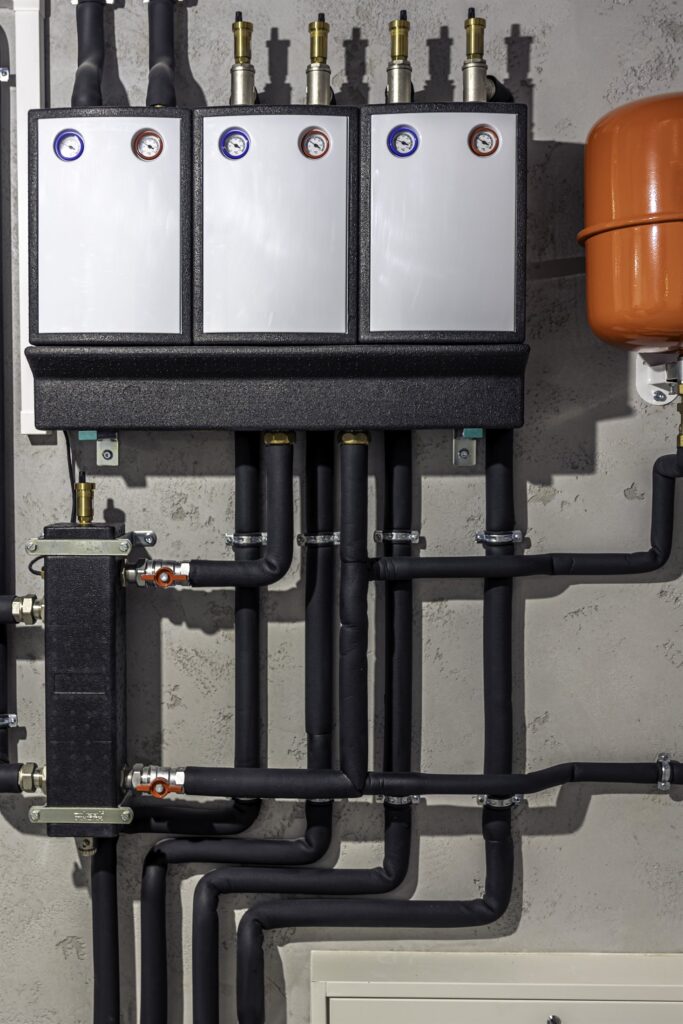
In electrification feasibility work, EM3 evaluated multiple technologies to replace fossil-fuel-based heating systems, including heat pumps and electric boilers. The study compared the options on site-specific factors such as infrastructure capacity, achievable performance and integration requirements.
The analysis considered how each technology would interact with the existing systems, what changes would be required, and how each option would affect energy consumption and emissions. Through that process EM3 identified the most suitable technology and defined the pathway to take it into concept design. The outcome was not just a preferred option, but a validated selection supported by technical modelling and business-case analysis.

Why EM3
Genuinely independent
We do not supply equipment and we are not tied to any manufacturer, so every technology is evaluated objectively on performance, cost and suitability for your site, not on commercial alignment with a supplier.
Grounded in modelling and data
The evaluation is built on real engineering modelling and site data rather than vendor performance claims or generic benchmarks, which is what makes the comparison trustworthy.
It has to be buildable
Because we continue into design and delivery, the selected technology has to be buildable and operable in a live industrial environment. That removes the risk of choosing solutions that look good on paper but fail during implementation.
Agnostic and accountable
It is the combination of vendor-agnostic selection and delivery accountability that makes the recommendation credible, and worth committing capital to.
How We Engage


Frequently Asked Questions
How is this different from feasibility?
Feasibility proves whether a project makes sense. This stage answers which specific technology is right for your site and which should be rejected, a defensible decision backed by technical, financial and operational reasoning.
We have vendor proposals. Why can we not just pick one?
Vendor proposals are often hard to compare because they use different assumptions, system boundaries and performance expectations. We re-evaluate them from first principles against your real site, so you compare like for like rather than on each vendor best-case claim.
Are you tied to any manufacturer?
No. We do not supply equipment and are not tied to any manufacturer, so technologies are evaluated objectively on performance, cost and suitability for your site, not on commercial alignment with a supplier.
What if a technology works in isolation but not on our site?
That is exactly the risk we remove. We analyse system interactions, demand profiles, temperature and load requirements and network constraints, so the selection works under your real operating conditions, not just on paper.
What do we receive?
A structured comparison of every viable option, a clear recommendation defined in enough detail to move into design, and the rationale for why the other options were rejected.
How long does it take?
It usually runs alongside the feasibility or concept work within the same window, typically a few weeks depending on complexity and the number of options assessed.
Dig Deeper
 Report
Data centre energy reporting: what the EED requires
The recast EU Energy Efficiency Directive has made data centre energy performance a matter of public record. This report explains…
 Upcoming23 Jun 2026
Multi-site ISO 50001: when group certification works, and when it doesn’t
With Graciano Tornero
 Case study
How a European steel processor cut reheat furnace fuel by 14% per tonne rolled
 Article
Ventilation on demand: the quiet win in mining energy
 Framework
The chemical site electrification framework
A six step engineering method for electrifying chemical process heat: map demand by temperature, reduce it, match technologies to temperature…
 Upcoming30 Jun 2026
US heat electrification reality check: carbon, cost & capacity
With James Dooley