How a minerals processing site cut comminution energy by 9% without touching throughput
A concentrator with multi-megawatt mill drives and a single site meter needed its grinding energy under control without risking throughput. EM3 sub-metered the circuit, built a regression baseline of kWh per tonne milled, optimised control and scheduling, and verified a 9% comminution energy reduction to IPMVP within twelve months.
The situation
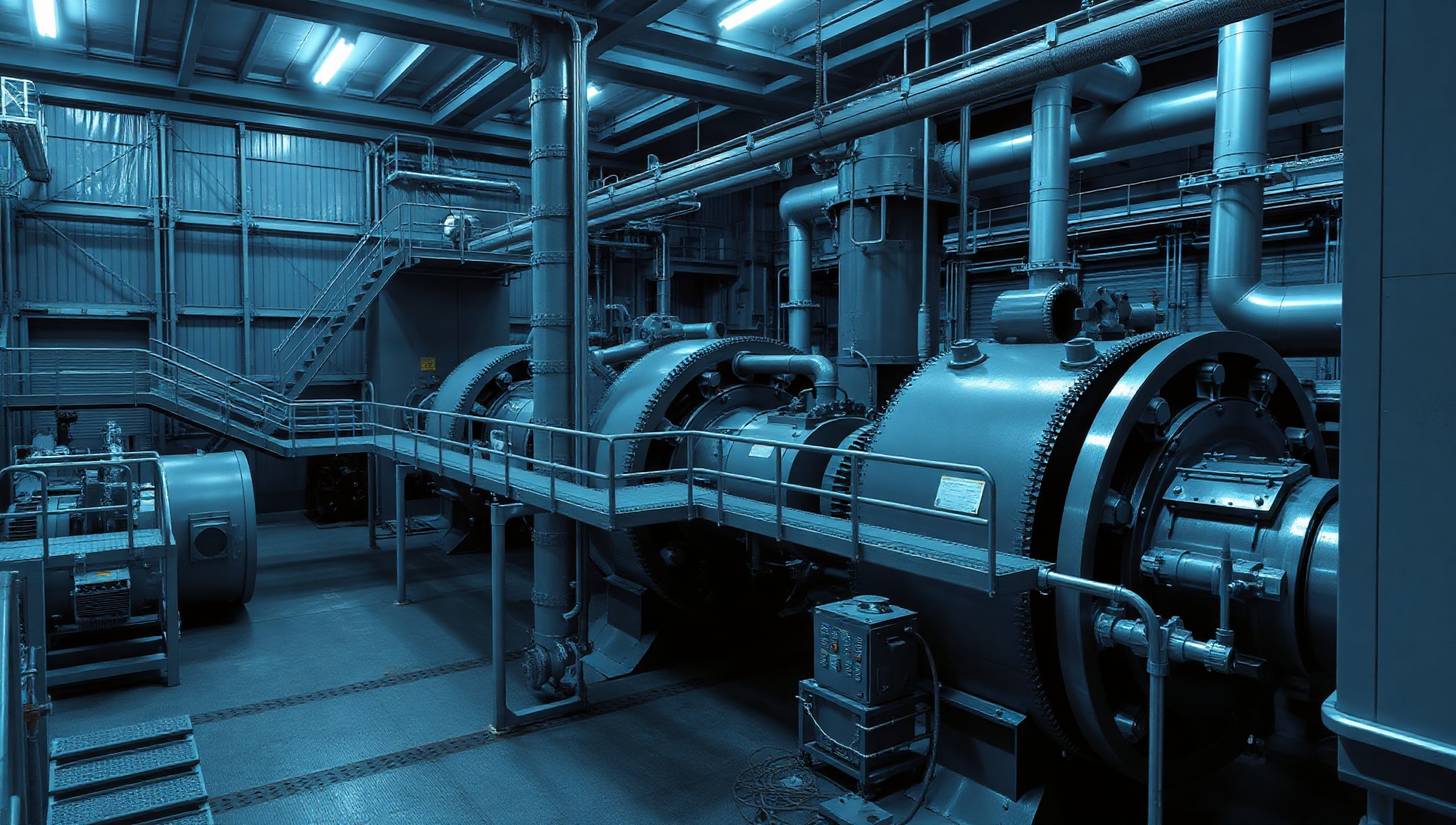
A European minerals processing company asked EM3 to examine the energy performance of its concentrator. The site runs a conventional crushing, SAG and ball milling circuit with multi-megawatt mill drives, the largest electrical machines on the property, and grinding dominated the electricity bill. The energy manager carried a corporate reduction target and a kWh per tonne milled figure that had been creeping upward for two years, with very little visibility into why.
Comminution is commonly cited at around 25% of an average mine site’s final energy consumption, and concentrators typically sit well above that share. The site’s metering told a familiar story: one utility meter for the whole plant, no separation between the mills, the crushers and everything else, and a monthly energy report that generated debate rather than decisions.
The constraint
Throughput was untouchable. The plant was effectively sold out, recovery targets were contractual, and any measure that put tonnes or metallurgical performance at risk was rejected before it reached a meeting. Capital was equally constrained: the current budget cycle had no room for major equipment. The brief was explicit. Find what control, scheduling and operating discipline can deliver first, and let the data build the case for capital later.
There was a second, quieter constraint: trust. Operations had seen energy initiatives arrive and fade before, usually because the claimed savings could not survive an ore change. Whatever EM3 proposed had to be measurable in a way the site’s own metallurgists would accept, or it would join the list of initiatives the plant politely ignored.
What EM3 engineered
The programme began with a circuit survey. EM3 installed sub-metering across the crushing, SAG milling, ball milling and classification stages, then built a regression baseline of kWh per tonne milled that corrected for ore hardness and feed size. That correction mattered: it let genuine performance changes be separated from ore variation, which had been the standing excuse for every bad month.
Three measure families followed. First, control optimisation: mill load and speed setpoints were tuned against the new circuit data, and classification performance was reviewed, with cyclone operating pressure and feed density brought back into specification. Second, equipment scheduling: crushing was shifted into off-peak tariff periods where stockpile capacity allowed, taking cost out even where kilowatt hours stayed flat. Third, the housekeeping items the survey exposed, including idle running of conveyors and auxiliary plant between campaigns.
The survey also produced a capital roadmap the site can act on in future budget cycles. High pressure grinding rolls, fine screens in place of hydrocyclones, and ore pre-concentration were each assessed, since reducing the tonnes ground per tonne of metal is typically the biggest comminution lever of all. None of them was needed to deliver the first phase.
The results
Over twelve months of verified operation, comminution energy fell by 9% per tonne milled against the regression baseline, inside the range EM3 scoped at the outset, with savings measured and verified to IPMVP. Throughput and recovery were unaffected, which was the condition the whole programme was designed around.
Off-peak scheduling delivered a further cost reduction on top of the energy saving. The circuit sub-metering now feeds the site’s monthly energy review as standard, and the capital roadmap sits costed and prioritised, ready for the next investment window.
What it means for the sector
Grinding circuits are where mining’s electricity goes, and most sites still manage them on a single meter and instinct. This programme shows the sequence that works: meter the circuit, build a baseline that respects ore variability, take the control and scheduling savings first, then let the data make the case for capital. For an operation whose customers are starting to ask Scope 3 questions, a verified energy per tonne trend is also a commercial document, not just an engineering one.
Related case studies
 14%reheat furnace fuel reduction per tonne rolledSteel processing
How a European steel processor cut reheat furnace fuel by 14% per tonne rolled
Rising gas costs, ETS exposure and buyer pressure pushed a long products steel processor to act on its reheat furnace. EM3 delivered…
 59%Reduction in total carbon emissions across the organisationPharmaceuticals
How a leading pharmaceutical company reduced carbon emissions by 59%
One of the world's largest pharmaceutical companies partnered with EM3 to transform its energy strategy across 27 manufacturing sites in the United…
 65% to 85%Steam boiler efficiency improvementFood and beverage
New boiler house reduces carbon footprint
In 2019, EM3 partnered with a leading alcohol beverage supplier to conduct a full energy audit of one of its European facilities.…
Could we do the same on your site?
Book a scoping call. We will map your sites, systems and the decisions ahead, then show you where the savings are.