How a wood panel plant recovered 12% of steam system losses without replacing its boiler
A wood panel plant's steam system had grown over decades: an unsurveyed trap population, bare pipework, dumped condensate and vented flash steam. EM3 ran a full trap survey, an insulation programme and a condensate return upgrade, recovering 12% of steam system losses with simple payback under two years, verified against a monitoring and targeting baseline, and with no interruption to production.
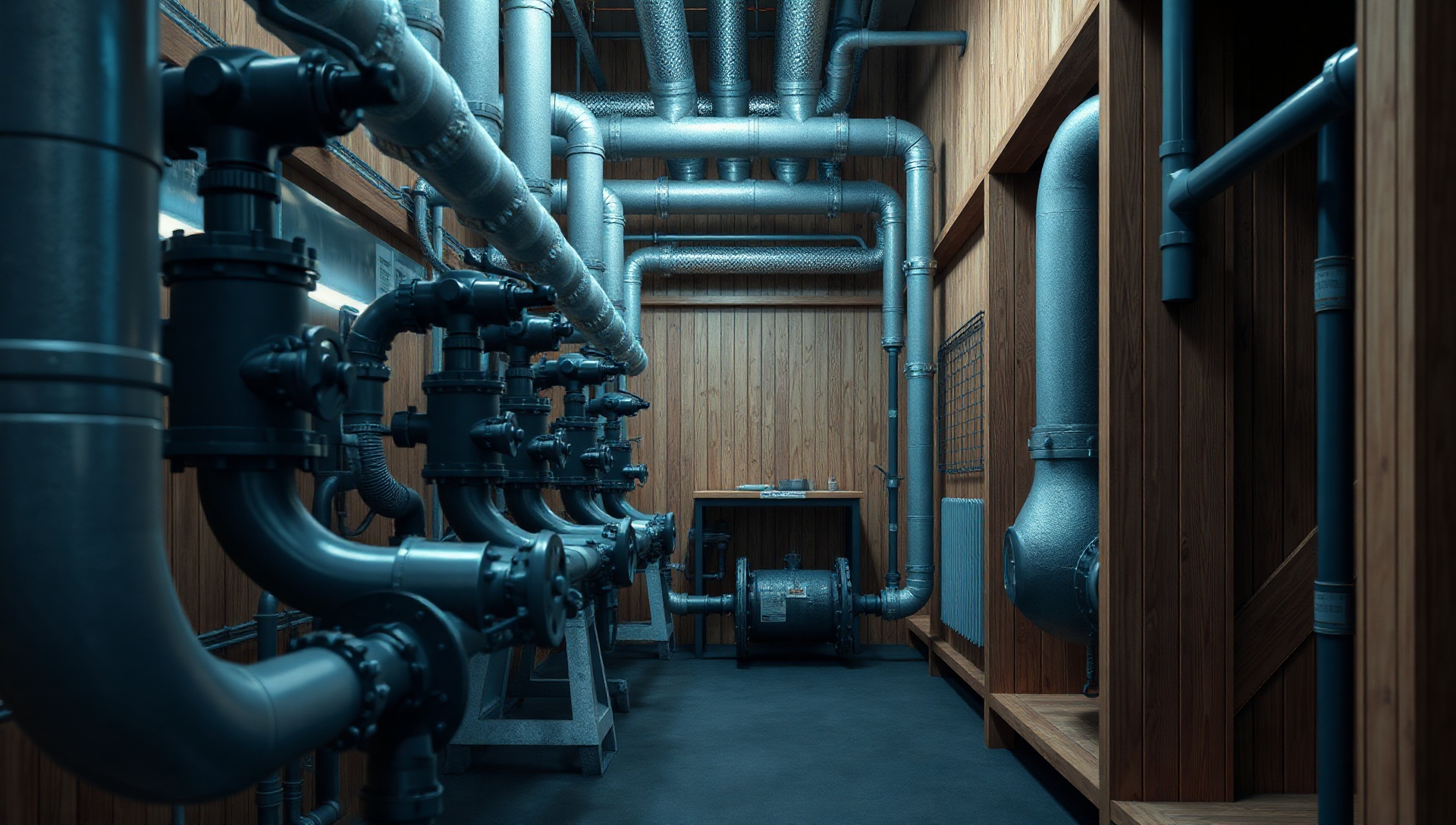
The situation
The plant presses wood-based panels on a continuous line, and like most panel operations its thermal demand is dominated by drying the fibre before the press. Steam serves the dryer’s heating duties, the press line and a long tail of smaller process and building loads, distributed through a pipework system that had been extended, rerouted and patched over decades of production growth.
Nobody could say with confidence how many steam traps the site had, let alone how many had failed. Sections of pipework, valves and flanges ran bare. Condensate from several remote users was dumped to drain rather than returned, and flash steam vented from receivers in plain sight of the boiler house. Individually, each loss was too small to justify a project. Together, they were a permanent tax on every cubic metre of board.
The constraint
The line runs continuously, so there was no appetite for anything requiring an extended outage, and with fibre and energy costs rising together, capital was tight: a boiler replacement or major plant project was simply not on the table. The brief was to recover losses from the system the plant already owned, in work packages that could be executed around normal operations and short planned stops.
The engineering manager also wanted the result to survive scrutiny. Previous housekeeping pushes had faded within a year because nothing was measured and nothing was maintained. This time the savings had to be baselined, verified and built into a routine.
What EM3 engineered
We established the baseline first: boiler fuel and steam sub-metering feeding a monitoring and targeting regression model against production throughput, so savings could later be separated from weather and output effects. Then we surveyed the system end to end. More than 500 steam traps were located, tagged and tested, with failed and blow-through traps specified for replacement by type and duty rather than like-for-like. An insulation survey priced the heat loss from every significant run of bare pipework, valves and flanges and ranked the lagging programme by payback.
The third package addressed condensate. New receivers and pumped return lines brought the dumped condensate streams back to the boiler house, flash steam recovery was piped to the deaerator and low pressure users instead of venting, and blow-through steam control was tightened on the dryer’s cascade system. Each package was installed around normal operations, and the trap survey was converted into a recurring test-and-replace routine so the population cannot silently degrade again.
The results
Measured against the regression baseline, the programme recovered 12% of the steam system’s losses, landing as a direct reduction in boiler fuel for the same production output. Simple payback on the combined packages came in under two years, with the trap replacements alone paying back fastest.
The secondary benefits were not trivial either. Higher condensate return cut make-up water and water treatment chemical consumption, and the boiler house now runs with meters and a baseline that show, week by week, whether the system is holding its condition. The first time a repaired section drifted, the monitoring picked it up before anyone smelled steam.
What it means for the sector
Steam and condensate housekeeping is the closest thing this industry has to guaranteed money. Trap surveys, insulation and flash steam recovery each typically yield 2 to 5% steam savings with short paybacks, and a combined, properly engineered programme on a degraded system reaches well beyond a single measure, as this plant’s 12% shows. It is the standard quick-win package in any credible mill or panel plant energy audit.
The condition that makes it stick is the boring one: measurement and routine. A baseline before the work, verification after it, and a trap test cycle that never lapses. Plants that treat steam housekeeping as a one-off campaign buy the same savings twice a decade. Plants that treat it as a system keep them.
Related case studies
 16%thermal energy reduction on the machinePaper & board
How a European paper mill cut machine thermal energy by 16% with hood heat recovery
A packaging paper mill was exhausting most of its dryer section heat to atmosphere through an ageing hood running at a low…
 59%Reduction in total carbon emissions across the organisationPharmaceuticals
How a leading pharmaceutical company reduced carbon emissions by 59%
One of the world's largest pharmaceutical companies partnered with EM3 to transform its energy strategy across 27 manufacturing sites in the United…
 65% to 85%Steam boiler efficiency improvementFood and beverage
New boiler house reduces carbon footprint
In 2019, EM3 partnered with a leading alcohol beverage supplier to conduct a full energy audit of one of its European facilities.…
Could we do the same on your site?
Book a scoping call. We will map your sites, systems and the decisions ahead, then show you where the savings are.