How a European paper mill cut machine thermal energy by 16% with hood heat recovery
A packaging paper mill was exhausting most of its dryer section heat to atmosphere through an ageing hood running at a low dew point. EM3 surveyed the hood balance, lifted the exhaust dew point and designed a multi-stage heat recovery system serving supply air, white water and fresh water. Machine thermal energy fell by 16%, verified to IPMVP, with simple payback inside two heating seasons and no measurable effect on sheet moisture control.
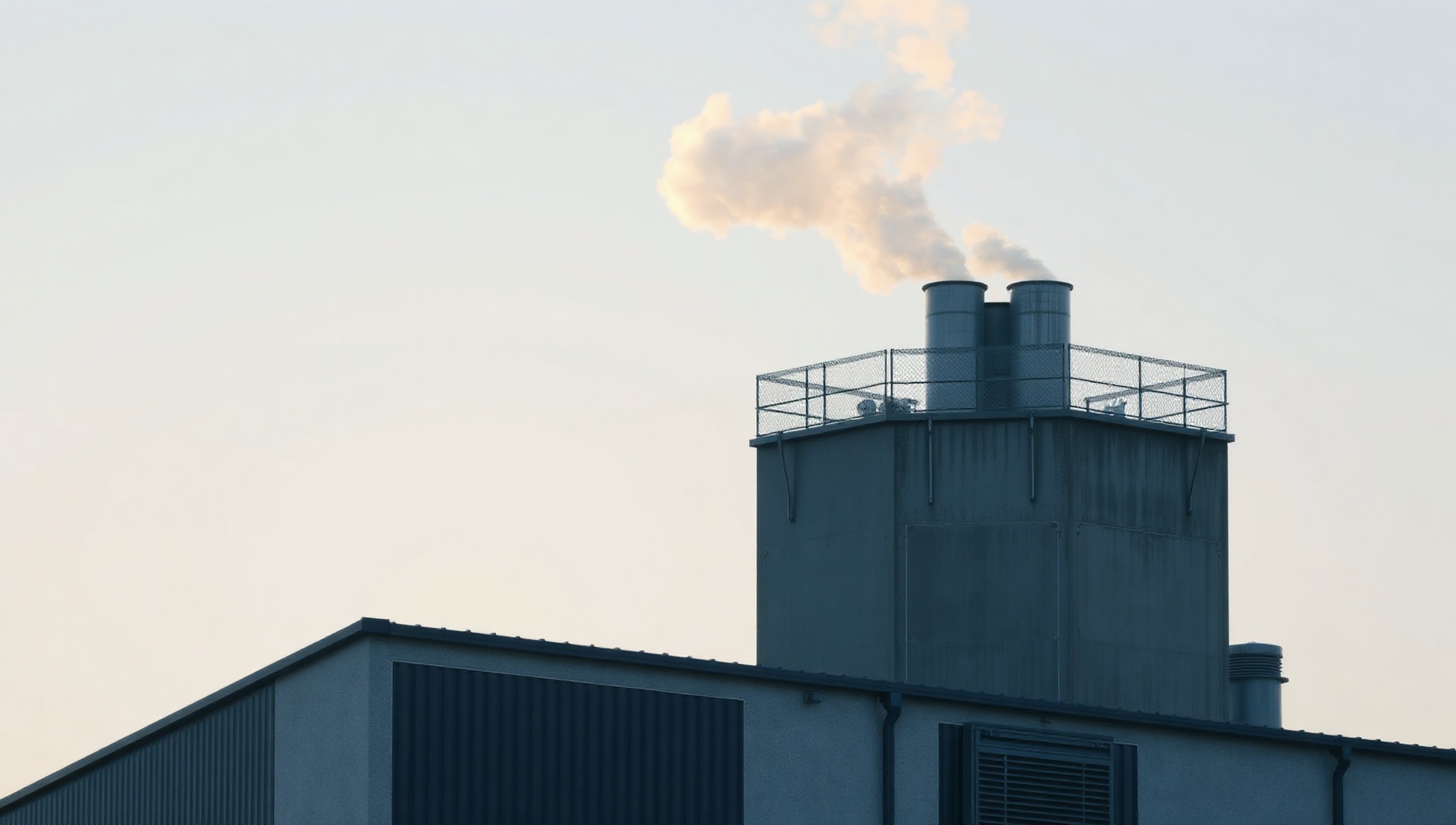
The situation
The mill runs a single packaging paper machine drying the web on a steam-heated multi-cylinder dryer section, fed from 3 to 8 bar headers through thermocompressors and a cascade condensate system. Steam comes from gas-fired boilers, so every gigajoule of drying energy carries both a fuel bill and an EU ETS carbon cost. As gas and allowance prices climbed, drying moved from a background utility cost to the single largest controllable line in the mill’s cost per tonne.
The dryer hood dated from a previous rebuild and was running well below its potential. Exhaust air left at a low dew point, which meant large volumes of barely-humid air were being heated, blown through the hood and discharged to atmosphere. The existing heat recovery duty was a fraction of what the exhaust stream actually carried. The energy manager knew the heat was there; what was missing was a quantified, bankable case for going after it.
The constraint
Runnability and sheet moisture control were non-negotiable. The machine crew had seen heat recovery projects elsewhere disturb the drying environment, and their position was blunt: nothing that touches the moisture profile gets installed. Any project also had to fit inside the annual maintenance stop, because the machine does not come down for energy projects.
Capital approval added a third constraint. Group finance had been burned by energy projects that under-delivered against their feasibility studies, so the savings case had to rest on measured data and an agreed verification method, not on supplier brochure figures.
What EM3 engineered
We started with measurement, not equipment. A full hood balance survey mapped supply and exhaust air flows, temperatures and humidities across the dryer section, and sub-metering was installed on steam to the dryer groups to establish a monitoring and targeting baseline. The survey confirmed the exhaust was leaving at a dew point far below the 60 to 65 degrees C a well-controlled hood can sustain, which simultaneously wasted fan power and starved any future recovery system of condensing duty.
The first package of work cost comparatively little: rebalancing supply and exhaust air, restoring hood tightness and bringing pocket ventilation under control. This lifted the exhaust dew point towards the target band, concentrating the heat into a smaller, wetter air stream. On that foundation we designed a multi-stage recovery stack: an air-to-air first stage preheating dryer supply air, followed by air-to-water stages heating fresh process water and the white water loop, with a final stage serving machine room ventilation. We sized each stage against the measured exhaust duty, ran the tender process and supported installation during the planned maintenance stop.
The results
Verified against the pre-project regression baseline using IPMVP, thermal energy use on the machine fell by 16%. The savings came from both halves of the work: the hood balance and dew point correction cut dryer steam demand directly, and the recovery stack displaced steam and fresh heat across the water and air systems it served. Simple payback landed inside two heating seasons.
The number the machine crew cared about was different: the cross-direction moisture profile. Before-and-after profile data showed no measurable change, and the more stable hood environment removed one source of the drying variability they had previously managed by running hot. The project that was expected to threaten moisture control modestly improved the conditions around it.
What it means for the sector
The IEA attributes around 70% of pulp and paper sector energy use to drying, and on a large modern machine the recoverable heat in the exhaust can exceed 50 MW. Published rebuilds in the Nordic industry have reported site energy savings of around 14% with payback inside a single cold winter, so a result in this range is not exceptional; it is what disciplined hood and recovery engineering typically delivers.
The transferable lesson is the sequence. Measure the hood balance first, fix dew point and air balance before buying exchangers, and put a verification baseline in place before the project, not after it. Most mills running an older hood have a version of this project waiting; the only open question is its size, and a survey answers that for a small fraction of the capital cost.
Related case studies
 12%steam system losses recoveredWood panels
How a wood panel plant recovered 12% of steam system losses without replacing its boiler
A wood panel plant's steam system had grown over decades: an unsurveyed trap population, bare pipework, dumped condensate and vented flash steam.…
 59%Reduction in total carbon emissions across the organisationPharmaceuticals
How a leading pharmaceutical company reduced carbon emissions by 59%
One of the world's largest pharmaceutical companies partnered with EM3 to transform its energy strategy across 27 manufacturing sites in the United…
 65% to 85%Steam boiler efficiency improvementFood and beverage
New boiler house reduces carbon footprint
In 2019, EM3 partnered with a leading alcohol beverage supplier to conduct a full energy audit of one of its European facilities.…
Could we do the same on your site?
Book a scoping call. We will map your sites, systems and the decisions ahead, then show you where the savings are.