How a European building materials producer cut site thermal energy by 11%
A European building materials producer asked EM3 for a defensible answer on how much of the heat leaving its kiln line was genuinely recoverable. A site-wide heat mapping exercise, a ranked recovery register and a first implemented scheme cut site thermal energy by 11%, verified to IPMVP.
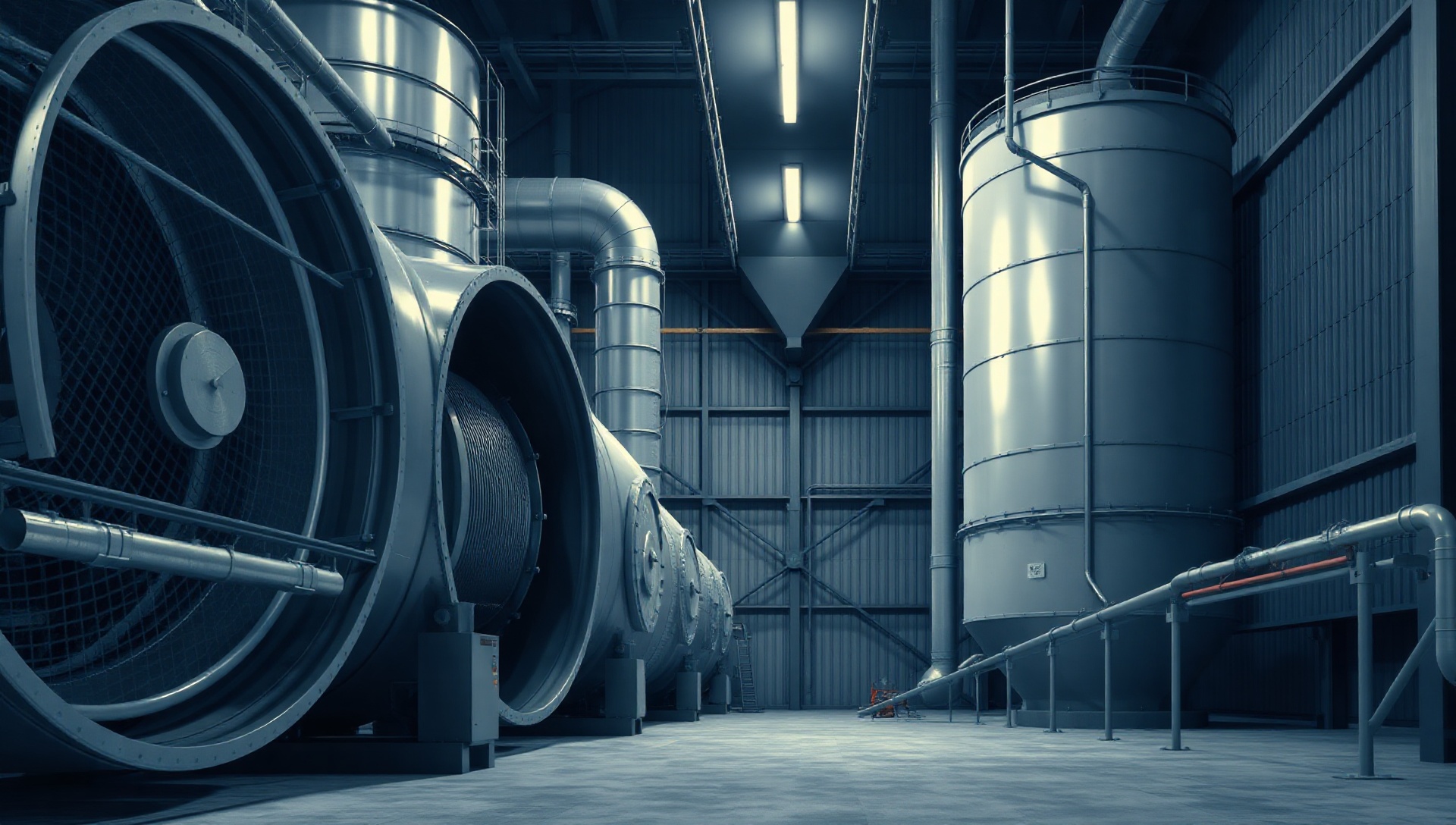
A plant built around heat
The client, a European building materials producer, operates a dry process clinker line with a multi-stage preheater, precalciner and grate cooler. Like most plants of its kind, the site’s energy account is dominated by heat: in a typical dry process around 75% of primary energy arrives as kiln fuel, and pyroprocessing takes 93 to 99% of total fuel consumption. The plant team knew its specific heat consumption to the decimal. What it did not have was a defensible picture of how much of that heat could be recovered.
The pressure was commercial as much as environmental. With free EU ETS allocation phasing out from 2026 as CBAM phases in, every gigajoule leaving the stack now carries a carbon cost as well as a fuel cost. Group leadership wanted a waste heat recovery decision it could stand behind, not another glossy proposal.
The constraint: the heat was already spoken for
Vendor proposals had been on the table for years, each quoting generation capacity from nameplate exhaust flows. None survived scrutiny, because on this plant, as on most, the preheater exhaust already does work: it dries raw meal in the raw mill and fuel in the coal mill. Raw meal moisture decides how much heat is genuinely surplus, and the answer changes between mill-on and mill-off operation.
The plant needed an independent answer to a deceptively simple question: across every operating state, what heat is actually available, at what temperature, and what is it worth once the drying duty has taken its share?
EM3’s brief was deliberately wide: not a single technology assessment, but a whole-site view of where heat was generated, where it was used and where it was lost. The output had to be a ranked register the plant could fund in stages, with the first scheme carrying the case for the rest.
What EM3 engineered
EM3 started with heat mapping, not technology selection. Engineers measured temperatures, mass flows and availability across the kiln line and its ancillaries in each operating state, built a whole-site heat balance and ranked 14 distinct waste heat streams by recoverable value. The register separated heat committed to drying from heat that was genuinely surplus.
The first implemented scheme recovered heat from the clinker cooler vent air to a drying duty that had previously burned fuel. It was chosen because it displaced fuel directly, left the raw mill’s drying balance untouched, and could be installed within a planned stop.
Alongside the recovery scheme, EM3 delivered kiln line efficiency measures: combustion and excess air optimisation with O2 trim, a kiln shell loss survey feeding targeted refractory work, and cooler air distribution improvements. Sub-metering was extended and an IPMVP measurement and verification plan was agreed before commissioning, with baselines regressed against clinker production.
The results
Twelve months after commissioning, site thermal energy was 11% below the adjusted baseline, verified to IPMVP. The kiln line combustion and heat loss measures contributed roughly 3 points of that, inside the 2 to 5% range these measures typically deliver, with the cooler heat recovery scheme providing the balance by displacing fuel previously burned for drying.
Because the savings were established against regression baselines rather than a simple year-on-year comparison, they held up through changes in production rate and product mix, which is precisely when unverified savings claims tend to evaporate.
The verification approach mattered to the group as much as the headline number. Savings were reported monthly against the agreed M&V plan, with adjustments documented for kiln stops and fuel changes, so the figure presented to the board was the same figure the auditors saw.
What it means for the sector
The ranked register now drives the plant’s capital plan. Preheater exhaust to power remains a live candidate, and IFC analysis shows waste heat recovery can supply up to 30% of a cement plant’s own electricity needs where the heat balance allows.
The transferable lesson is method, not technology. Map the heat across operating states, respect the drying duty, implement the scheme that displaces fuel fastest, and verify the result to a standard a finance director and an auditor will both accept.
Related case studies
 7%reduction in specific melting energyContainer glass
How a container glass manufacturer reduced specific melting energy by 7%
Mid-campaign, with a furnace rebuild still years away, a European container glass manufacturer needed its specific melting energy back under control. Combustion…
 59%Reduction in total carbon emissions across the organisationPharmaceuticals
How a leading pharmaceutical company reduced carbon emissions by 59%
One of the world's largest pharmaceutical companies partnered with EM3 to transform its energy strategy across 27 manufacturing sites in the United…
 65% to 85%Steam boiler efficiency improvementFood and beverage
New boiler house reduces carbon footprint
In 2019, EM3 partnered with a leading alcohol beverage supplier to conduct a full energy audit of one of its European facilities.…
Could we do the same on your site?
Book a scoping call. We will map your sites, systems and the decisions ahead, then show you where the savings are.