How a container glass manufacturer reduced specific melting energy by 7%
Mid-campaign, with a furnace rebuild still years away, a European container glass manufacturer needed its specific melting energy back under control. Combustion optimisation, regenerator recovery and a higher cullet ratio cut specific melting energy by 7% without touching glass quality, verified to IPMVP.
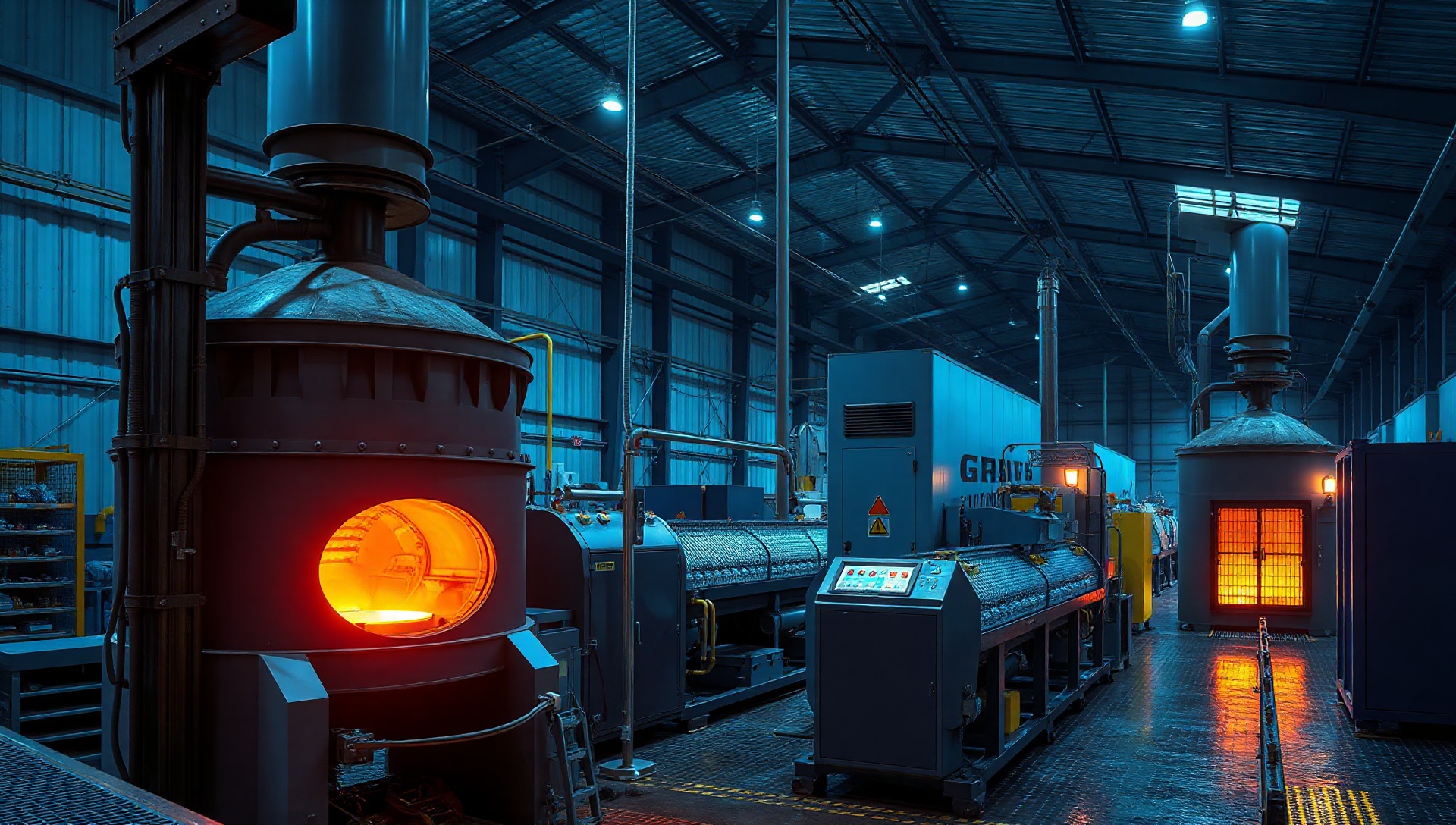
A furnace mid-campaign, costs out of pattern
The client, a European container glass manufacturer, runs a regenerative furnace feeding IS forming machines. More than 80% of the energy in glassmaking is consumed at the hot end, so when energy cost per tonne packed began drifting upward, the furnace was the obvious suspect. The drift itself was no surprise: furnace energy intensity commonly rises by 2 to 3% per year over a campaign as regenerators age. The question was how much of it could be clawed back without a rebuild.
Gas prices and carbon exposure had turned a familiar pattern into a margin problem. As an energy-intensive site under the EU ETS, every additional megawatt hour of gas carried allowance exposure on top of its price. The plant needed its specific melting energy back under control, years before rebuild capital would be available.
The constraint: no rebuild, no risk to glass
Electric boosting upgrades, oxy-fuel conversion and hybrid melting were all on the long-term agenda, but none was available mid-campaign. Every measure had to work within the existing furnace, without disturbing glass quality, pull rate or the forming operation downstream.
That ruled out heroics and pointed at discipline: combustion settings, regenerator condition, batch composition and the secondary electrical loads around the furnace.
There was also a sequencing logic. Any data gathered now, on regenerator condition, combustion behaviour and the furnace’s true performance curve, would feed directly into the rebuild specification later. The programme had to pay for itself twice: once in energy, once in information.
What EM3 engineered
EM3 began with a hot end audit: a port-by-port combustion survey, excess air measurement, and a regenerator condition assessment to quantify how much preheat the checkers were still returning and where air ingress was diluting it. The audit set a measured baseline for specific melting energy, regressed against pull rate.
Three measure groups followed. Combustion settings were rebalanced port by port to bring excess air into a tighter envelope. Sealing and repair work recovered regenerator performance where the assessment showed the largest losses. And the cullet strategy was reworked with the batch plant, raising the external cullet share by 12 percentage points; every additional 10% of cullet in the batch typically cuts melting energy by roughly 2.5 to 3%.
Around the furnace, EM3 addressed the quick wins: a leak survey and pressure set point reduction on the compressed air system feeding the IS machines, and variable speed drives on combustion air and lehr fans. Secondary electrical systems like these typically yield 5 to 15% savings, and they did here.
The results
Specific melting energy fell 7% against the regression baseline, sustained across the following year and verified to IPMVP. Compressed air energy fell 12%. Glass quality and pack rates were unaffected, which mattered as much to the plant as the energy line itself.
Sub-metering at furnace, forming and lehr level now feeds a monitoring and targeting regime, so the plant sees drift in weeks rather than discovering it in the annual accounts.
The regression approach earned its keep within the year. When the plant slowed over a seasonal dip in demand, the baseline model adjusted for the lower pull rate and the reported saving held, which is the difference between a verified result and a flattering one.
What it means for the sector
Campaign-time measures will not decarbonise glassmaking on their own, and nobody should claim otherwise. What they do is buy margin and emissions headroom now, and generate the furnace-level data that makes the eventual rebuild decision, whether electric boosting, oxy-fuel or hybrid melting, an engineering choice rather than a bet.
For any glass plant watching melting energy drift upward mid-campaign, the sequence is repeatable: measure the hot end properly, recover the regenerators, raise the cullet, and tidy the loads around the furnace while the big capital waits its turn.
Related case studies
 11%reduction in site thermal energyBuilding materials
How a European building materials producer cut site thermal energy by 11%
A European building materials producer asked EM3 for a defensible answer on how much of the heat leaving its kiln line was…
 59%Reduction in total carbon emissions across the organisationPharmaceuticals
How a leading pharmaceutical company reduced carbon emissions by 59%
One of the world's largest pharmaceutical companies partnered with EM3 to transform its energy strategy across 27 manufacturing sites in the United…
 65% to 85%Steam boiler efficiency improvementFood and beverage
New boiler house reduces carbon footprint
In 2019, EM3 partnered with a leading alcohol beverage supplier to conduct a full energy audit of one of its European facilities.…
Could we do the same on your site?
Book a scoping call. We will map your sites, systems and the decisions ahead, then show you where the savings are.