How a speciality chemicals plant built a costed electrification roadmap and delivered its first conversion
A speciality chemicals plant with a corporate decarbonisation commitment and two stalled electrification studies asked EM3 to turn ambition into engineering. Temperature band heat mapping, a heat pump and electrode boiler option study and a phased, costed roadmap led to a first conversion: a high temperature heat pump serving a 90 °C hot water loop, removing around 800 tonnes of CO2 per year from Scope 1.
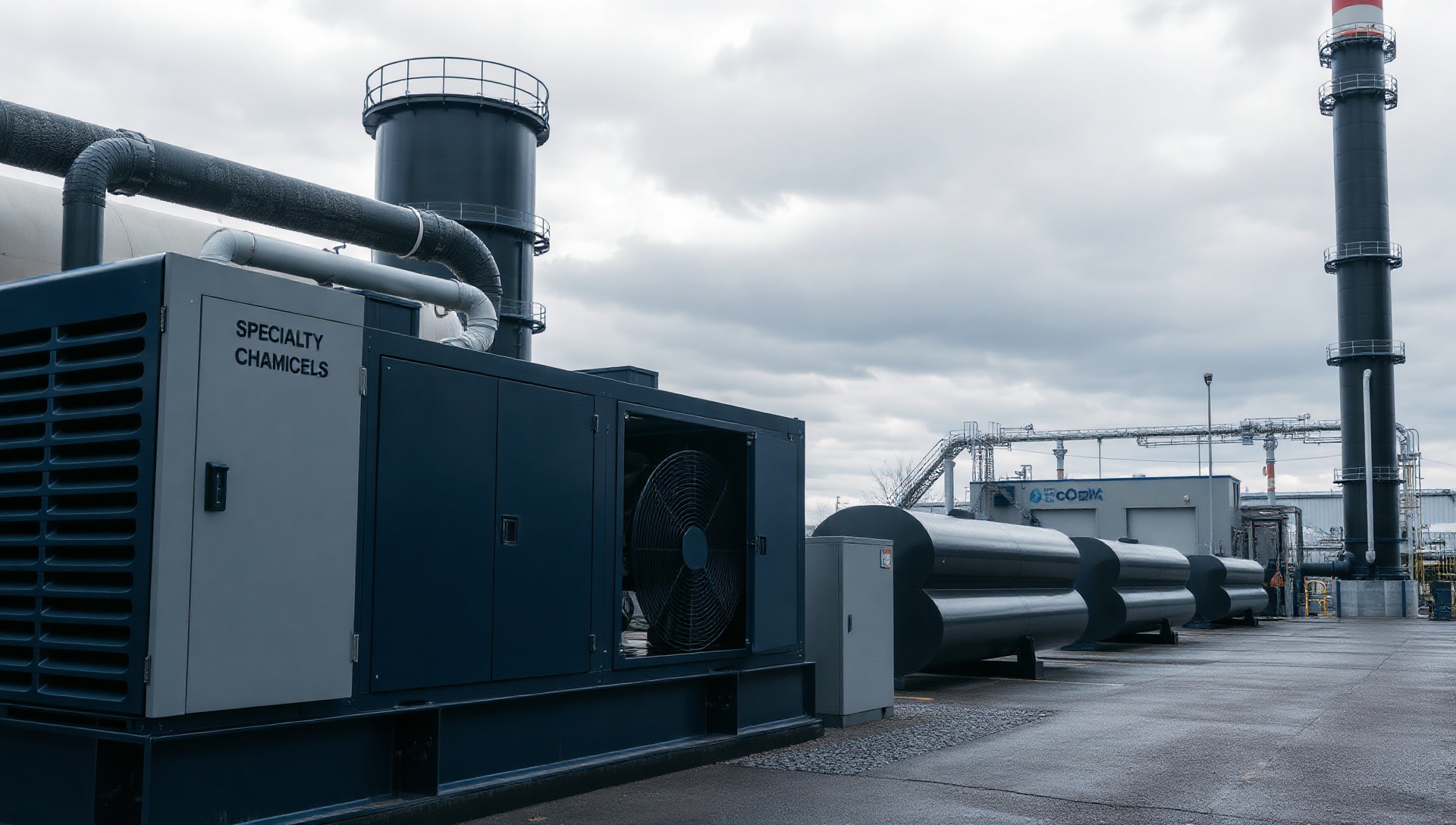
The situation
A multinational speciality chemicals producer operates a continuous European plant where gas fired boilers raise steam for everything from 85 °C jacket and wash water loops to dryers running near 180 °C. The group had made a public decarbonisation commitment, and the plant’s EU ETS exposure was rising as the scheme’s cap tightens towards a 62% reduction by 2030 against 2005.
The board had asked for an electrification plan twice before. Both attempts stalled at the same point: a like for like swap of gas boilers for electrode boilers failed the business case at prevailing power prices, and the studies offered no alternative route. The plant needed engineering, not another strategy deck.
The constraint
Three constraints framed the work. First, the spark spread: power costs materially more than gas per megawatt hour on the site’s grid, so any conversion at a coefficient of performance of one was uneconomic. Second, ATEX zoning around the process areas restricted where new electrical plant could sit. Third, the site had limited headroom on its grid import capacity and could not risk steam availability during any transition.
The brief EM3 agreed with the site was deliberately narrow: map the heat demand properly, identify the loads where electrification pays today, and deliver one conversion well enough that its measured performance would underwrite the next phase.
What EM3 engineered
EM3 started with heat demand mapping by temperature band, built from sub metering, DCS historian data and the site heat and material balances, with fuel separated from feedstock in the site KPIs so the benchmarks meant something. The map showed roughly 30% of process heat demand below 200 °C, in line with IEA analysis of the wider sector, with a meaningful share of that below 100 °C.
An option study then compared high temperature heat pumps, an electrode boiler and a hybrid arrangement for the addressable bands, each costed against the site’s actual tariff structure, grid connection headroom and carbon position. Demand reduction came first regardless: a condensate recovery upgrade and steam trap programme shrank the load before any conversion was sized.
The first conversion followed the map. EM3 designed and delivered a 400 kW high temperature heat pump recovering heat from the cooling water return and serving a 90 °C hot water loop that had previously run on letdown low pressure steam. The unit was located outside the zoned area, with the hot water distribution engineered to the site’s hazardous area requirements, and commissioning was sequenced so steam remained available as backup until performance was proven.
The results
The plant now has a three phase, costed electrification roadmap covering its addressable low and mid temperature heat, with each phase carrying its own business case and a stage gate tied to measured performance rather than calendar dates.
The first conversion removed around 800 tonnes of CO2 per year from Scope 1, with a measured average coefficient of performance of 3.0 in its first year, verified to IPMVP through dedicated sub metering of electricity in and heat out. At 2024 average allowance prices the avoided carbon is worth around €50,000 per year on top of the fuel cost saving, and the measured numbers have already been used to sanction detailed design for the next phase.
What it means for the sector
Electrification at a chemical site is not a leap; it is a sequence. Map demand by temperature rather than by fuel, shrink it before converting it, start in the band where heat pump physics multiplies the economics, and let verified performance fund and de-risk what follows.
The same logic applies on almost any ETS covered site: with carbon averaging around €65 per tonne in 2024, every tonne engineered out of Scope 1 now carries a real and rising value.
Related case studies
 14%reduction in site thermal energyFine chemicals
How a fine chemicals site cut thermal energy 14% with steam and heat integration
A multi product fine chemicals site facing rising gas costs and growing EU ETS exposure asked EM3 for a thermal energy programme…
 59%Reduction in total carbon emissions across the organisationPharmaceuticals
How a leading pharmaceutical company reduced carbon emissions by 59%
One of the world's largest pharmaceutical companies partnered with EM3 to transform its energy strategy across 27 manufacturing sites in the United…
 65% to 85%Steam boiler efficiency improvementFood and beverage
New boiler house reduces carbon footprint
In 2019, EM3 partnered with a leading alcohol beverage supplier to conduct a full energy audit of one of its European facilities.…
Could we do the same on your site?
Book a scoping call. We will map your sites, systems and the decisions ahead, then show you where the savings are.