How a fine chemicals site cut thermal energy 14% with steam and heat integration
A multi product fine chemicals site facing rising gas costs and growing EU ETS exposure asked EM3 for a thermal energy programme it could actually build. A site wide pinch study, condensate and flash steam recovery, exchanger network retrofits and column optimisation cut site thermal energy by 14%, delivered inside ATEX constraints and planned turnaround windows, and verified to IPMVP.
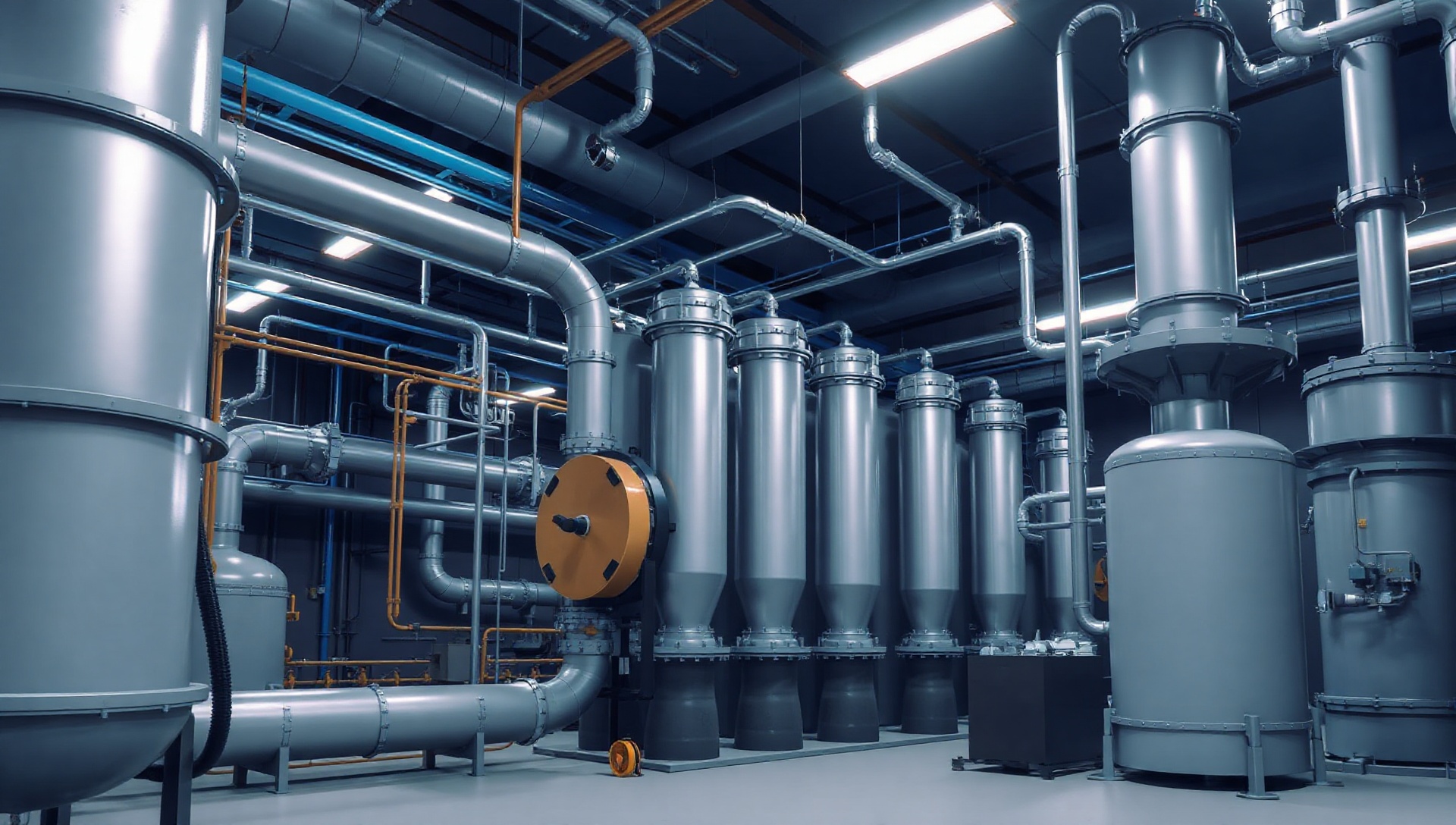
The situation
A European fine chemicals manufacturer operates a multi product site running batch and continuous processes around the clock. Two gas fired boilers raise steam into high, medium and low pressure headers feeding reboilers, reactors, dryers and heat tracing across the plant. Thermal energy dominated the utility bill, which is typical for the sector: US DOE analysis puts steam systems alone at about half of all energy used in chemicals and refining.
Gas price volatility had pushed energy from an operational line item to a board agenda item, and the site’s EU ETS position was compounding the pressure, with allowances averaging around €65 per tonne in 2024. The site energy manager’s brief was clear: cut thermal demand materially, without touching product quality, registered process conditions or the production schedule.
The constraint
The site is a Seveso establishment with extensive ATEX zoning around its solvent handling and distillation areas. Every physical modification had to pass hazardous area assessment, management of change and process safety review, and the plant could not take an extended outage: the continuous units run campaigns measured in months.
Two previous consultancy studies had produced strategy documents but no buildable projects, partly because neither had engaged with the safety and shutdown constraints that govern what can actually be installed, and when. EM3’s scope was therefore explicit: an engineering grade programme, sequenced into existing turnaround windows, with every measure designed for the zone it would live in.
What EM3 engineered
The programme started with a site wide pinch study. EM3 extracted stream data from the DCS and the heat and material balances, built hot and cold composite curves, and set targets against a realistic minimum approach temperature. The curves showed the classic fine chemicals picture: significant heat rejected to cooling water at temperatures high enough to preheat column feeds and boiler feedwater. Three exchanger network changes followed: a feed preheat retrofit on the main solvent recovery column using overhead condenser heat, a feed effluent exchanger on a continuous unit, and recovery of dryer exhaust heat to a hot water loop.
In parallel, EM3 rebuilt the steam and condensate fundamentals. A full steam trap survey identified failed traps and missing insulation across the distribution network, and a repair and insulation programme followed. Condensate return was raised by routing previously dumped condensate back to the deaerator and recovering flash steam to the low pressure header. Boiler blowdown heat recovery and O2 trim completed the generation side work.
On the main column itself, EM3 implemented pressure optimisation and tightened reflux control under advanced process control, cutting reboiler duty by around 10%, in line with what these measures credibly deliver. All equipment in zoned areas was specified to the site’s hazardous area classification and installed during planned turnarounds under the permit to work system.
The results
Across the programme, site thermal energy fell by 14% against the monitoring and targeting regression baseline, verified to IPMVP using sub metering on the steam headers. Condensate and flash steam recovery alone cut boiler fuel by around 6%, inside the 5 to 10% range these measures typically deliver, and the trap and insulation programme paid back fastest, consistent with US DOE experience that steam system assessments commonly uncover 10 to 15% savings with many measures paying back in under a year.
The carbon side mattered too. The programme removed roughly 2,000 tonnes of CO2 per year from the site’s ETS position, worth around €130,000 annually at 2024 average allowance prices, on top of the fuel saving.
What it means for the sector
Fine chemicals sites rarely need exotic technology to make their first major thermal cut. A rigorous pinch study, disciplined steam and condensate work and column optimisation are available to almost every site, and they are deliverable inside ATEX and turnaround constraints when they are engineered for those constraints from the start.
The programme also builds the foundation for what comes next: a site that has minimised its heat demand and metered its unit operations is in a far stronger position to electrify the remainder.
Related case studies
 ~30%of site heat demand mapped below 200 °CSpeciality chemicals
How a speciality chemicals plant built a costed electrification roadmap and delivered its first conversion
A speciality chemicals plant with a corporate decarbonisation commitment and two stalled electrification studies asked EM3 to turn ambition into engineering. Temperature…
 59%Reduction in total carbon emissions across the organisationPharmaceuticals
How a leading pharmaceutical company reduced carbon emissions by 59%
One of the world's largest pharmaceutical companies partnered with EM3 to transform its energy strategy across 27 manufacturing sites in the United…
 65% to 85%Steam boiler efficiency improvementFood and beverage
New boiler house reduces carbon footprint
In 2019, EM3 partnered with a leading alcohol beverage supplier to conduct a full energy audit of one of its European facilities.…
Could we do the same on your site?
Book a scoping call. We will map your sites, systems and the decisions ahead, then show you where the savings are.