How a multi-site industrial group cut energy use by 8% in its first ISO 50001 cycle
Eight plants, five countries, no common baseline. EM3 standardised audits across the portfolio, built a single group ISO 50001 system around sub-metered SEUs and regression-based EnPIs, and delivered an 8% verified group energy reduction in the first certification cycle, with a costed project pipeline feeding the next.
The situation
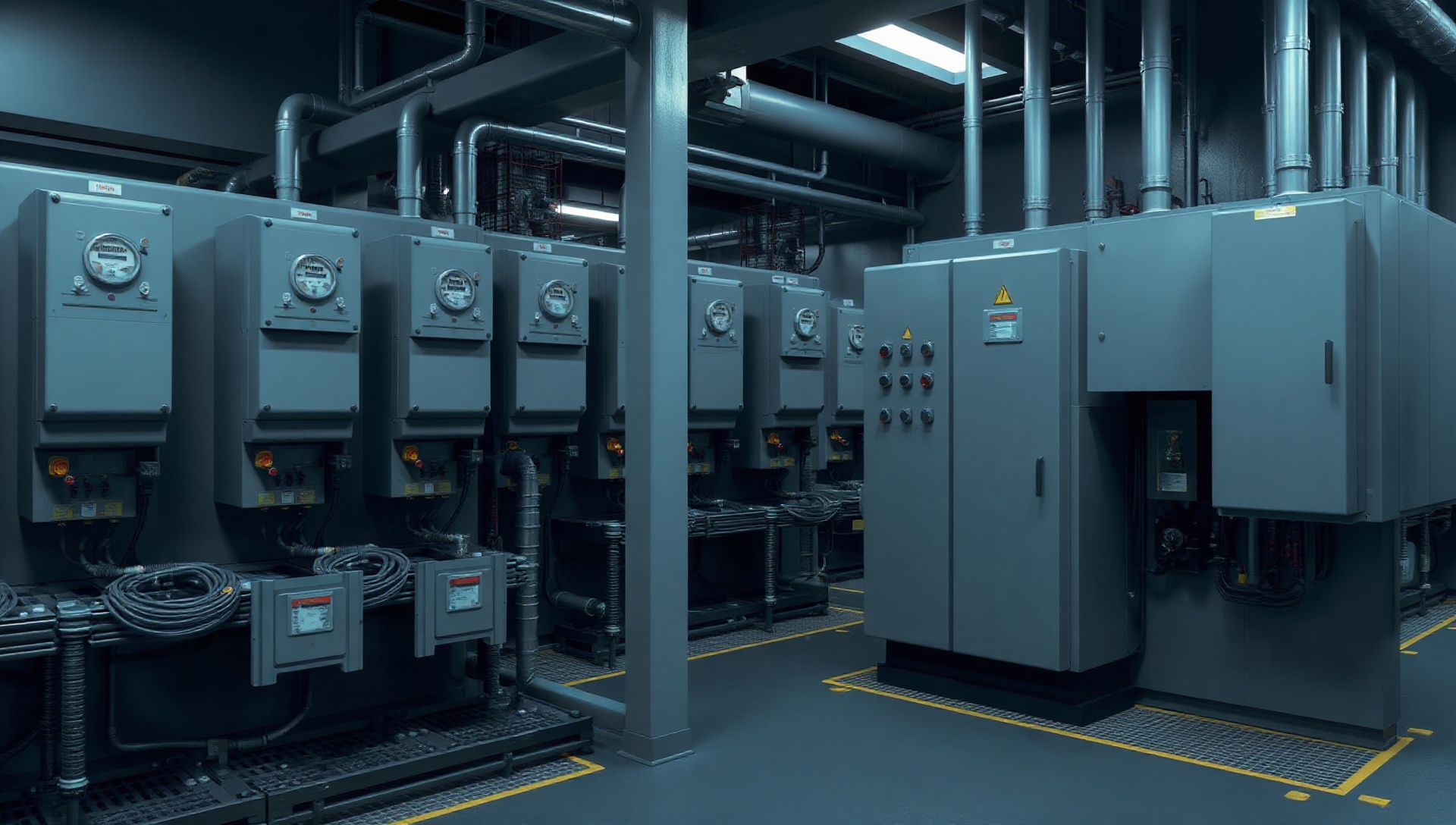
A European industrial group had grown by acquisition into eight manufacturing plants across five countries: machining, plastics moulding, surface treatment and assembly operations supplying automotive and machinery customers. Energy had become one of the group’s largest controllable costs, and the board had committed to a group-wide reduction target alongside its first CSRD reporting cycle.
On the ground, the picture was inconsistent. Two sites held ISO 50001 certificates and six did not. One plant ran a legacy monitoring system nobody trusted, three relied on monthly invoice data, and the rest sat somewhere in between. The group energy manager could not compare plants, could not defend the numbers in the sustainability report, and could not say with confidence where the next megawatt hour of savings would come from.
The constraint
There was no common baseline. Production mix varied month to month at every site, so simple kWh per unit comparisons were meaningless: a plant could look worse purely because it had won more complex work. Site engineering teams were stretched keeping production running, with no spare headcount for energy.
The group also wanted one certificate, not eight. A single multi-site ISO 50001 system demands shared procedures, comparable energy performance indicators and a central view of every significant energy user, none of which existed.
What EM3 engineered
EM3 started with standardised audits: the same structure, the same measurement approach and the same reporting format at all eight plants, so findings could be ranked across the group rather than argued about site by site. The audits identified each plant’s significant energy users; compressed air, motor-driven services, process heating and ovens, and HVAC dominated, as they typically do in general manufacturing.
We then built the group energy management system around those SEUs: one manual, shared procedures and clear site-level ownership, with around 140 sub-meters installed across the portfolio to put real data behind every SEU. Each site received regression-based energy baselines and EnPIs normalised for production volume and weather, so performance could be tracked honestly through changes in product mix.
The discipline that made it work was the operating rhythm: CUSUM tracking against baseline at every site, a live group opportunity register costed and ranked centrally, and a monthly review where site engineers answer for variances and claim credit for wins. The first cycle deliberately prioritised low-cost operational measures: out-of-hours base-load reduction, compressed air pressure set-points, oven scheduling and control changes that needed no capital approval.
Where the audits found steam and hot water systems, trap surveys and condensate return repairs went straight onto the register; where compressor heat was being rejected to atmosphere, recovery to space heating was scoped, since most of the electrical input to an air compressor leaves as recoverable heat. Each site nominated an energy champion and was trained on the system, so the discipline does not depend on one group role staying in post.
The results
Across the first certification cycle the group recorded an 8% reduction in energy consumption against its regression baselines, verified through the monitoring and targeting system using IPMVP-aligned methods. All eight plants were certified under a single group ISO 50001 certificate at the first attempt.
More than 60 opportunities now sit costed on the live group register, including VSD retrofits and compressor heat recovery schemes that will feed the next cycle as engineered capital projects. The trajectory matches the published evidence: the IEA reports that structured energy management typically delivers more than 10% savings within the first three years, and the group is on course.
What it means for the sector
Multi-site manufacturers do not need eight heroic local efforts; they need one discipline applied everywhere. Standardised audits make findings comparable, shared EnPIs make performance defensible, and a central register turns scattered good intentions into a managed pipeline.
The certificate matters because customers and regulators ask for it. The savings happen because the system underneath it is engineered. For industrial groups facing CSRD reporting and customer Scope 3 demands, this is the shortest credible route to numbers that stand up.
Related case studies
 22%energy reduction across targeted systemsPrecision engineering
How a precision engineering campus cut compressed air and motor energy by 22%
Compressed air and motors are where general manufacturing leaks money. At a 24/7 precision engineering campus, EM3 combined an ultrasonic leak programme,…
 59%Reduction in total carbon emissions across the organisationPharmaceuticals
How a leading pharmaceutical company reduced carbon emissions by 59%
One of the world's largest pharmaceutical companies partnered with EM3 to transform its energy strategy across 27 manufacturing sites in the United…
 65% to 85%Steam boiler efficiency improvementFood and beverage
New boiler house reduces carbon footprint
In 2019, EM3 partnered with a leading alcohol beverage supplier to conduct a full energy audit of one of its European facilities.…
Could we do the same on your site?
Book a scoping call. We will map your sites, systems and the decisions ahead, then show you where the savings are.