How a precision engineering campus cut compressed air and motor energy by 22%
Compressed air and motors are where general manufacturing leaks money. At a 24/7 precision engineering campus, EM3 combined an ultrasonic leak programme, staged network pressure reduction, sequencing controls and targeted VSD retrofits to cut energy on the targeted systems by 22%, verified by sub-metering to IPMVP.
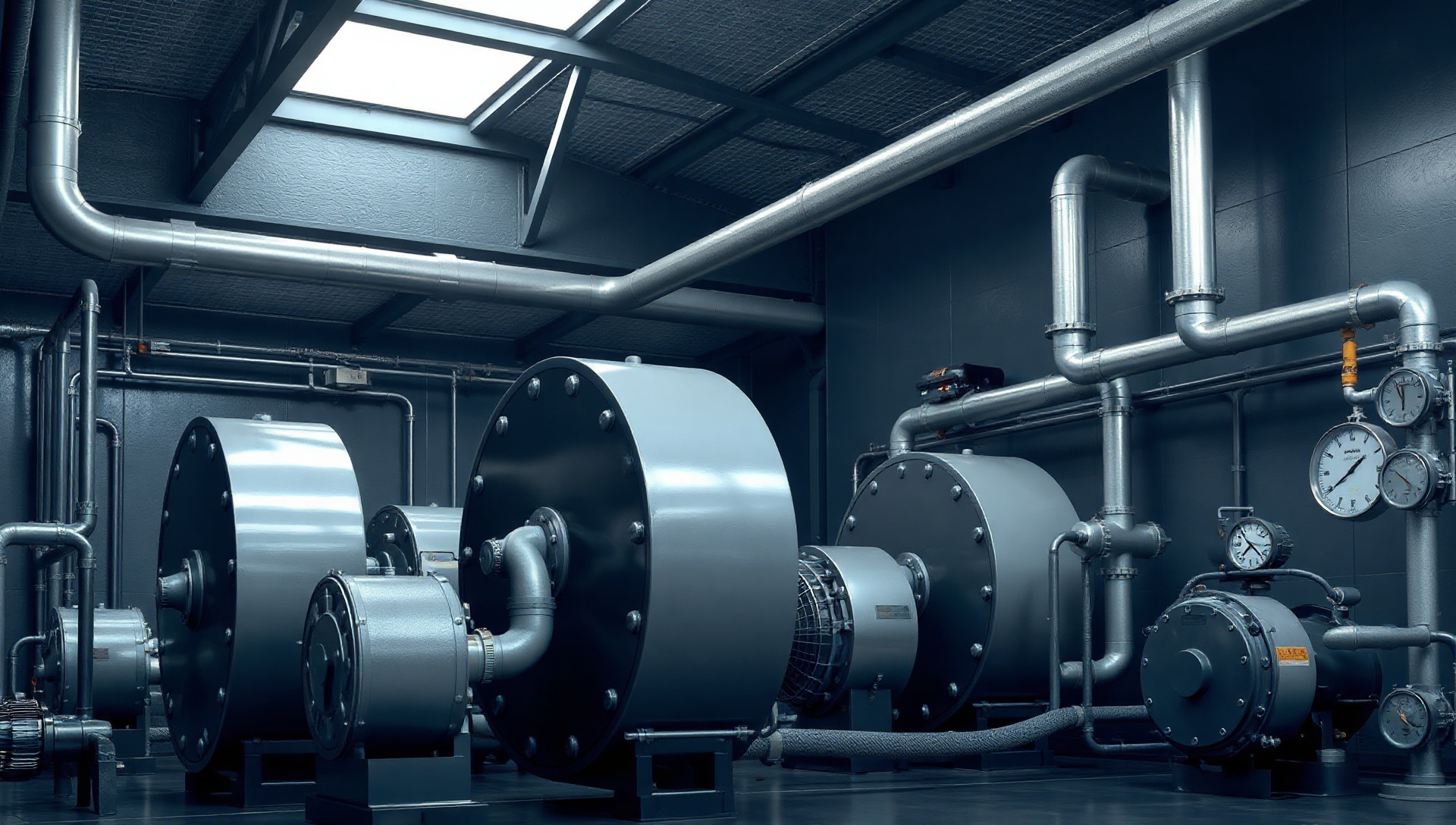
The situation
A multinational precision engineering manufacturer runs a single Irish campus of three production halls: CNC machining centres, component washing lines and assembly cells, operating around the clock. Compressed air is everywhere on site, driving actuation, blow-off and machine tools from a bank of fixed-speed compressors, and electricity costs had climbed to the point where the campus stood out in the group’s reporting.
Two symptoms told the story before any meter did. Weekend electrical base load ran almost as high as a weekday shift, and the compressor house was working hard at three in the morning when most of the plant was idle.
The constraint
The campus runs 24/7 with no plant-wide shutdowns, so every measure had to be staged through planned maintenance windows with zero risk to delivery commitments. Compressed air was treated as free by production teams, and the motor fleet was overwhelmingly fixed speed, with dampers and throttle valves doing the flow control and the motors burning the difference.
The brief was blunt: cut the cost of air and motion without touching output, and prove the savings to a standard the group finance team would accept.
What EM3 engineered
The programme started in the compressor house. An ultrasonic leak survey across all three halls tagged more than 300 individual leak points and measured leakage equivalent to 27% of generated air, consistent with the 20 to 30% the US Department of Energy cites for poorly maintained systems. Repairs were phased through maintenance windows, with the worst hundred leaks closed in the first six weeks.
With the leak load falling, we lowered network discharge pressure by 0.9 bar in monitored steps, holding instrumentation on the most pressure-critical machines at each stage; as a rule of thumb, every 0.14 bar of reduction is worth roughly 1% of compressor energy. Open blowing applications were replaced with engineered nozzles or removed, a sequencer was installed with a VSD trim compressor to eliminate offload running, and compressor heat recovery was ducted to heat the adjacent workshop in winter.
On the motor side, we surveyed fan and pump duties across the campus and retrofitted VSDs where throttling losses were largest: because absorbed power on centrifugal loads varies with the cube of speed, modest speed reductions deliver disproportionate savings. An IE3/IE4 replacement policy now upgrades the fleet at every end-of-life failure. Sub-meters on the compressor house and the targeted motor control centres put the whole programme under permanent monitoring and targeting.
The results
Energy consumption across the targeted compressed air and motor systems fell by 22%, verified by sub-metering under IPMVP Option B retrofit isolation, worth just over a gigawatt hour a year at the campus’s current consumption. Network pressure is 0.9 bar lower with no recorded production impact, and the leak survey is now a quarterly routine rather than a one-off rescue.
The weekend base load anomaly that first flagged the problem has visibly flattened, and the monitoring system now alarms on compressed air drift before it reaches the monthly report. Compressor heat recovery offsets gas use for workshop heating through the winter, a side benefit that cost little because the ductwork was installed during the same maintenance windows as the repairs.
What it means for the sector
Compressed air and motor systems exist on every manufacturing site, and the measures here are deliberately unglamorous: leak repair, pressure set-points, sequencing, speed control. The physics is settled and the paybacks are typically short; what most sites lack is the survey discipline to find the waste and the follow-through to keep it fixed.
The multiplier is worth remembering. A typical compressed air system returns as little as 10 to 15% of the electricity it consumes as useful work, so every leak repaired and every bar shaved off the set-point saves far more upstream than it appears to at the nozzle. Sub-metering is what turns a good year into a permanent result.
Related case studies
 8%verified group energy reduction, first cycleIndustrial group
How a multi-site industrial group cut energy use by 8% in its first ISO 50001 cycle
Eight plants, five countries, no common baseline. EM3 standardised audits across the portfolio, built a single group ISO 50001 system around sub-metered…
 59%Reduction in total carbon emissions across the organisationPharmaceuticals
How a leading pharmaceutical company reduced carbon emissions by 59%
One of the world's largest pharmaceutical companies partnered with EM3 to transform its energy strategy across 27 manufacturing sites in the United…
 65% to 85%Steam boiler efficiency improvementFood and beverage
New boiler house reduces carbon footprint
In 2019, EM3 partnered with a leading alcohol beverage supplier to conduct a full energy audit of one of its European facilities.…
Could we do the same on your site?
Book a scoping call. We will map your sites, systems and the decisions ahead, then show you where the savings are.