How a medical device campus cut cleanroom HVAC energy by 21% with classification intact
A medical device campus running injection moulding, assembly, and packaging across ISO 7 and ISO 8 cleanrooms asked EM3 to find energy savings inside the classified envelope nobody wanted to touch. An evidence-led air change rate review, AHU scheduling, and at-rest setbacks cut cleanroom HVAC energy by 21%, verified to IPMVP, with zero classification excursions across twelve months of monitoring.
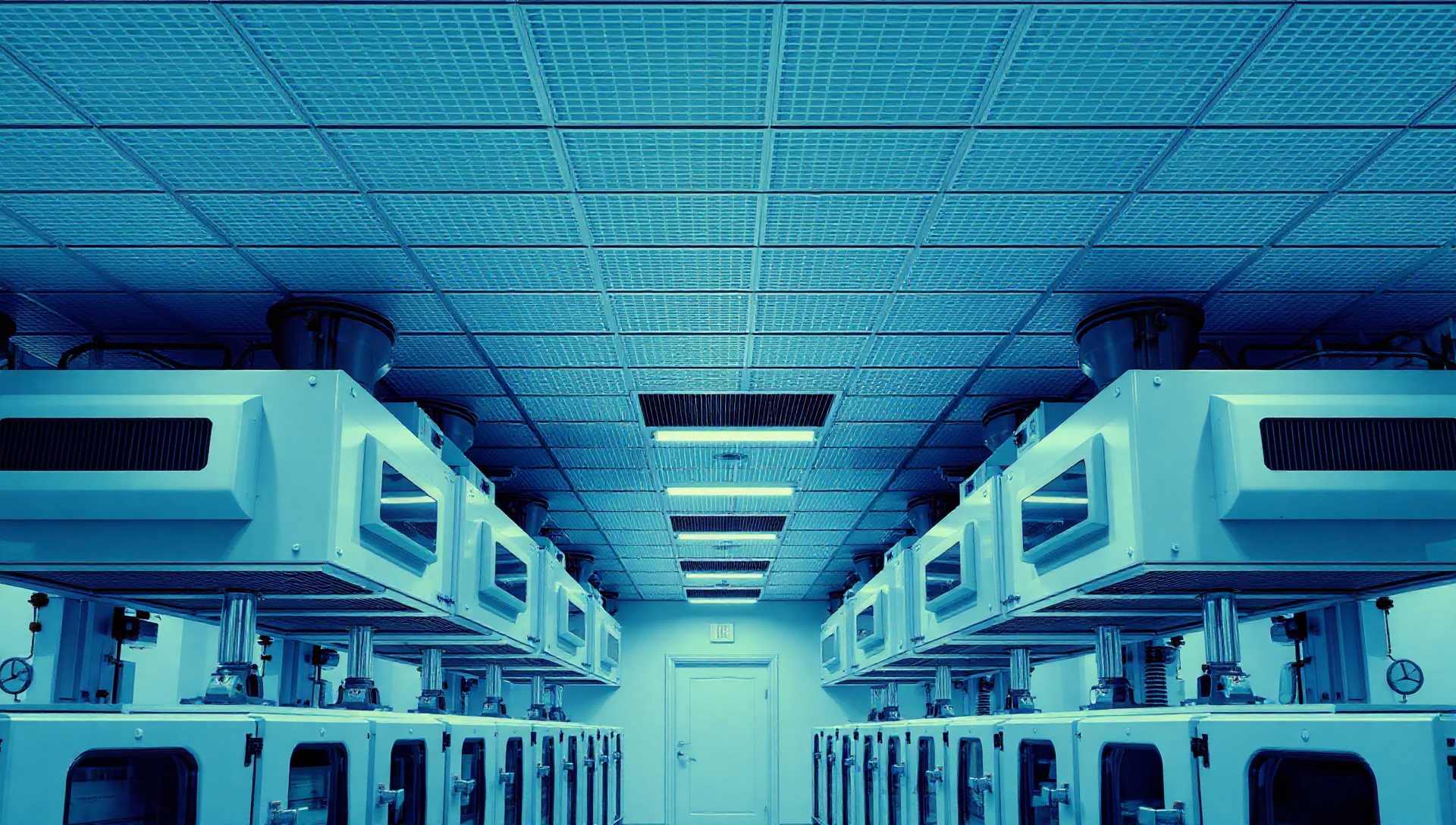
The situation
A leading European medical device manufacturer operates a single campus in Ireland, with injection moulding, automated assembly, and packaging running across a mix of ISO 7 and ISO 8 cleanrooms. As at most device plants, cleanroom air handling dominated the site electrical load: published studies put HVAC at 36 to 67% of total facility energy at cleanroom-led sites, and this campus sat squarely in that band.
A corporate Scope 2 reduction target had landed on the site at the same time as a sharp rise in electricity cost. The engineering team had already delivered the obvious measures: lighting, basic compressed air housekeeping, some motor replacements. The remaining savings sat inside the classified envelope, and that was the territory nobody wanted to enter.
The constraint
Air change rates had been set at design stage, conservatively, and never revisited. The validation record captured the original operating state, and the working assumption on site was that any reduction in airflow meant revalidation, so the setpoints had been frozen for over a decade. Several ISO 8 rooms were running air change rates far above anything their contamination risk could justify.
Production ran around the clock on weekdays with genuine at-rest periods at weekends, yet every AHU ran at full occupied rates continuously. QA’s position was reasonable and clear: they would consider change only with evidence that each room holds its class at the lower airflow and recovers quickly to the occupied state.
What EM3 engineered
We started with an air change rate review, mapping each room’s measured ACH against its ISO 14644 class, its actual contamination risk, and the site’s own environmental monitoring history. The particle data told the story plainly: most rooms operated with a wide margin to their class limits, which is exactly the headroom a setback strategy is built on. Because fan power scales roughly with the cube of airflow, even modest reductions promised disproportionate savings.
The programme then moved step by step. We sub-metered the AHUs to establish a clean baseline, trialled reduced occupied setpoints room by room with continuous particle counting, and designed at-rest setbacks driven by the BMS schedule and occupancy signals. Recovery-to-occupied testing was witnessed with QA on every room type, and each change travelled through the site’s change control with a full impact assessment. No step proceeded until the evidence for the previous one was closed out.
The results
Cleanroom HVAC electrical energy fell by 21% across the campus, measured against a weather and production normalised baseline and verified to IPMVP. The result sits comfortably inside the 20 to 40% range that published work attributes to demand-controlled and at-rest setback, deliberately conservative because several sensitive rooms were excluded from the programme at the review stage. Sixteen AHUs now run scheduled at-rest setbacks, returning automatically to full occupied rates ahead of each production window, with alarmed limits so any drift or manual override is caught immediately.
Across twelve months of post-implementation environmental monitoring the campus recorded zero classification excursions. Measured recovery times sat comfortably inside the windows agreed with QA, and the complete evidence pack, from particle trends to recovery tests, now lives in the site’s quality system where any auditor can read it.
What it means for the sector
Most device cleanrooms are over-ventilated, because classification got translated into a fixed airflow at design stage and then never questioned. ISO 14644 sets particle limits, not air change rates, and the gap between the two is where 15 to 25% of cleanroom HVAC energy typically sits, waiting for someone to collect the evidence.
The order of work is the whole method: evidence first, setpoints second. A setback programme that begins with the site’s own monitoring data and ends with witnessed recovery tests gives QA something to approve rather than something to fear. That is the difference between a stalled idea and a verified saving.
Related case studies
 24%compressed air energy reductionBiotechnology
How a biologics fill-finish site cut compressed air energy by 24%
A biologics fill-finish site running compressed air continuously for process, instrument, and packaging duty asked EM3 to cut the cost of its…
 59%Reduction in total carbon emissions across the organisationPharmaceuticals
How a leading pharmaceutical company reduced carbon emissions by 59%
One of the world's largest pharmaceutical companies partnered with EM3 to transform its energy strategy across 27 manufacturing sites in the United…
 65% to 85%Steam boiler efficiency improvementFood and beverage
New boiler house reduces carbon footprint
In 2019, EM3 partnered with a leading alcohol beverage supplier to conduct a full energy audit of one of its European facilities.…
Could we do the same on your site?
Book a scoping call. We will map your sites, systems and the decisions ahead, then show you where the savings are.