Metering Solutions That Make Your Site Properly Measurable
The engineering design of the physical metering your site needs: what to install, where, and how it connects, all driven by the KPIs you actually need, so every meter earns its place and the data is genuinely usable.
- Designs the metering infrastructure from your KPIs, not from a template
- Specifies the meters, locations and how they integrate with SCADA or BMS
- A phased plan with high-level capital costs, ready for implementation
- The engineering definition of what to install, before anyone installs it
- Part of SHV Energy
- ISO 50001
What This Service Is
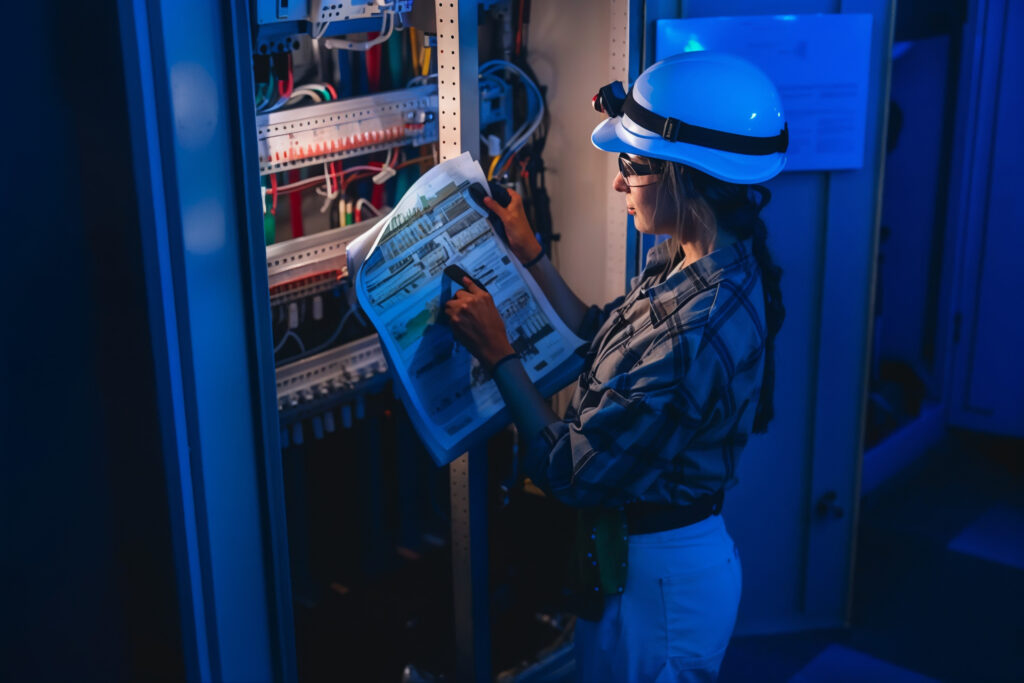
The Metering Solutions service is the engineering design and specification of the physical metering infrastructure required to measure, capture and manage energy performance across a site. It typically follows EnPI Mapping and Meter Gap Analysis: where mapping defines what should be measured and why, Metering Solutions defines how that is physically implemented in the plant.
The focus is on designing and planning the installation of the meters, sensors and supporting systems needed to collect accurate and usable energy data, including the meter locations, the equipment specification, and how the data will be collected and integrated into your energy management processes. It covers both the hardware and the associated data-collection and automation systems. This is not the installation itself. It is the engineering definition of what needs to be installed, where, and how, to bring the site to a level where energy performance can be properly measured and managed.
Governing standardISO 50001 · Metering BoD
The Challenge It Solves
Before this service, the client typically does not have a metering system capable of supporting proper energy management. The site may have some meters installed, but they are often incomplete, poorly located, not connected to usable systems, or not aligned with meaningful performance indicators. Even when data exists, it is often not structured in a way that can support decision-making, reporting or compliance.
Those gaps prevent the site from establishing accurate baselines, verifying savings, implementing projects or managing energy performance effectively, and in many cases the existing infrastructure simply is not sufficient to support Energy Performance Indicators or ISO 50001. There is also a lack of clarity about what should actually be installed: which meters are critical, where they should be placed, what instrumentation is required, and how different systems should connect. The result is that energy management cannot progress beyond high-level analysis, because the underlying measurement infrastructure is not in place.
- Meters that are incomplete, poorly located or disconnected
- Data that exists but is not structured for decisions or compliance
- No clarity on which meters are critical, or where they go
- Energy management stuck at high-level analysis for lack of infrastructure
How EM3 Delivers It
Start from the EnPI gap analysis
We begin from the outputs of the EnPI Mapping and Meter Gap Analysis, where the required metrics and the missing data points have already been identified, so the metering design is driven by real measurement needs.
Define the metering requirements
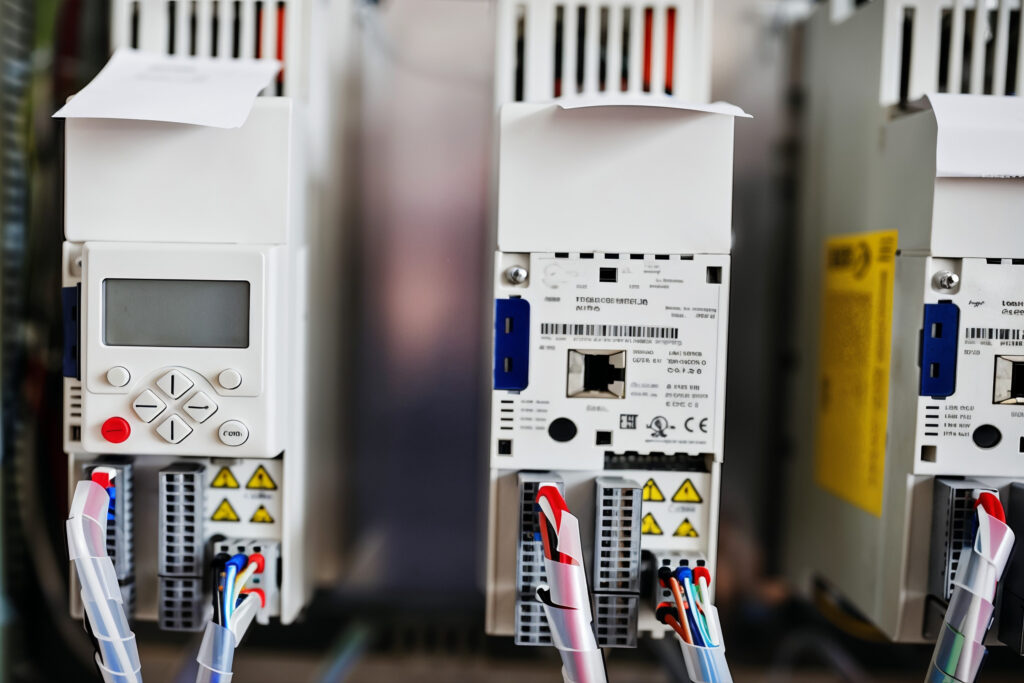
We determine what types of meters or sensors are needed, where they should be installed, and how they should connect to the data-collection systems.
Engineering review of site constraints
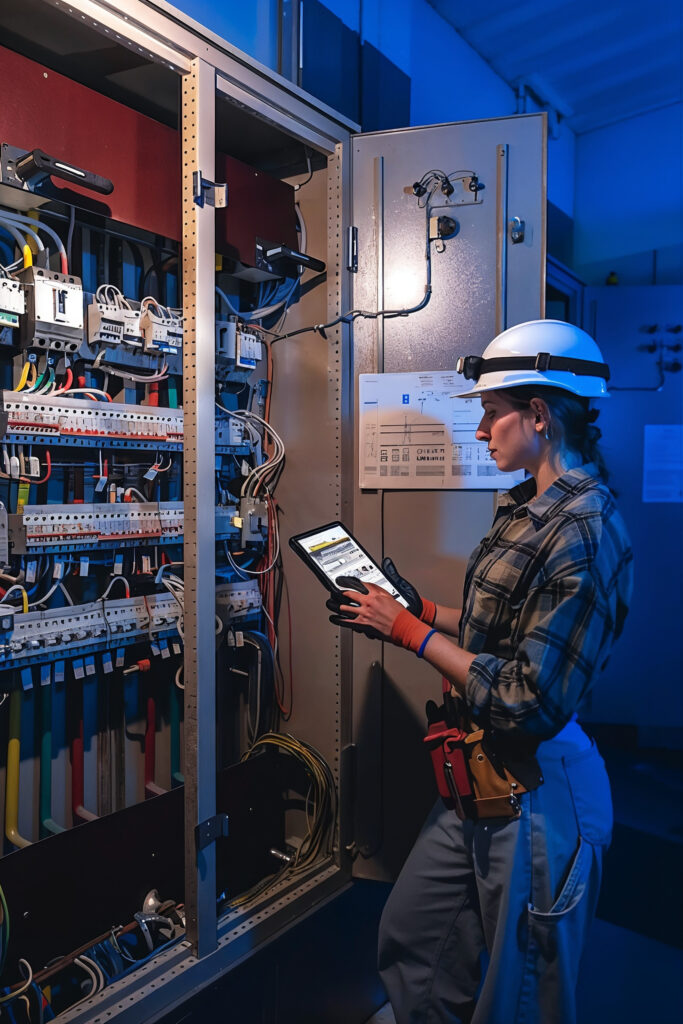
We carry out a detailed engineering review of the physical and operational constraints: reviewing existing infrastructure, identifying suitable installation locations, and understanding how the new meters will integrate with current systems such as SCADA, BMS or other data-collection platforms.
Define the structured solution
We define the structured metering solution, identifying all the required meters, specifying their function, and mapping how they will generate the data needed for KPI tracking and performance monitoring, phased so the critical meters come first.
Cost it and set the basis of design
We develop a high-level capital cost estimate with allowances for different options, and where appropriate a Basis of Design for the metering systems, outlining the technical approach, system architecture and implementation considerations.
Deliver a phased plan
You move from an undefined or incomplete setup to a clearly engineered solution ready for implementation, with the critical installations prioritised and the system designed to expand over time.
What You Receive
A defined metering solution
A fully defined metering solution tailored to your site, ready to move into implementation.
A complete meter and instrumentation list
Exactly what needs to be installed to enable effective energy monitoring and KPI tracking.
Locations and integration requirements
Defined meter locations and the system-integration requirements, with clarity on how the metering fits your physical and operational environment, including SCADA and BMS.
A phased implementation plan
A plan that lets you prioritise the critical installations first and expand the system over time in a structured way.
A high-level capital cost estimate
Visibility on the investment required, so you can plan for funding or capital approval.
A metering Basis of Design
Where delivered as part of a broader design process, a Basis of Design defining the engineering approach, scope and system requirements for implementation.
Proven Outcome
Metering Solutions is the step that turns the EnPI map into buildable infrastructure. In our work it is the next stage after mapping, defining the metering needed to support KPI tracking, accurate baselines and the future projects, including efficiency and decarbonisation initiatives, that all depend on good data.
The outcome is that a site moves from an undefined or incomplete metering setup to a clearly engineered solution ready for implementation, with the ability to measure energy use at system level, track performance over time and support the verification of savings and compliance. Every meter in the design has a job: a KPI to feed and a decision to inform.

Why EM3
Metering linked to decisions
We do not design metering in isolation. The whole solution is based on the KPIs defined through EnPI Mapping, so every meter serves a specific purpose in measuring performance and enabling action, which avoids the common trap of installing meters that generate data but do not support analysis or improvement.
Grounded in how the site runs
The design is based on a system-level understanding of how your utilities are generated, distributed and used, rather than relying on standard templates.
Integrated with energy management
The metering is designed to support ongoing reporting, monitoring and compliance frameworks such as ISO 50001, not to act as a standalone technical upgrade.
A controlled path to implementation
The service includes a structured roadmap and cost guidance, so you can move from concept to implementation in a controlled and prioritised manner.
How We Engage


Frequently Asked Questions
Is this the same as installing meters?
No. This is the engineering definition of what needs to be installed, where, and how. The installation, commissioning and integration are delivered as separate projects once the design is set.
How does it relate to EnPI mapping?
EnPI mapping defines what should be measured and why. Metering Solutions defines how it is physically implemented. We design the metering directly from the KPIs the mapping identified, so every meter has a purpose.
Will the meters work with our SCADA or BMS?
Yes. Part of the engineering review is understanding how the new meters integrate with your existing systems, such as SCADA, BMS or other data-collection platforms, so the data actually flows into your energy management.
What do we get at the end?
A complete list of required meters and instrumentation, defined locations and integration requirements, a phased implementation plan, a high-level capital cost estimate and, where relevant, a metering Basis of Design.
Can we phase the investment?
Yes. Where appropriate we structure the solution into phases, with the critical meters that give immediate visibility first and more detailed or system-specific monitoring later, with cost guidance for each.
Why not just buy meters off the shelf?
Because meters installed in isolation generate data that often does not support meaningful analysis. We design the metering around your KPIs and how your site actually operates, so it supports decisions, reporting and ISO 50001, not just numbers.
Dig Deeper
 Report
Data centre energy reporting: what the EED requires
The recast EU Energy Efficiency Directive has made data centre energy performance a matter of public record. This report explains…
 Upcoming23 Jun 2026
Multi-site ISO 50001: when group certification works, and when it doesn’t
With Graciano Tornero
 Case study
How a European steel processor cut reheat furnace fuel by 14% per tonne rolled
 Article
Ventilation on demand: the quiet win in mining energy
 Framework
The chemical site electrification framework
A six step engineering method for electrifying chemical process heat: map demand by temperature, reduce it, match technologies to temperature…
 Upcoming30 Jun 2026
US heat electrification reality check: carbon, cost & capacity
With James Dooley