Technical Oversight That Builds It the Way You Designed It
Once construction starts, control fragments and the design starts to drift. We stay embedded through delivery so what is built, installed and commissioned matches what was engineered, and the energy and carbon outcomes that justified the project actually survive.
- Carries the engineering intent into the build, not just onto a drawing
- Manages design risk and PSDP safety reviews throughout delivery
- Reviews contractor submittals and RFIs so changes are properly assessed
- Actively protects the energy, carbon and performance outcomes during execution
- Part of SHV Energy
- ISO 50001

What This Service Is
Technical Oversight and Sustainability Stewardship is the stage where EM3 stays actively involved after the project has been designed, to ensure that what is built, installed and commissioned matches what was engineered, and continues to deliver the intended energy, carbon and operational outcomes. By this point the project has passed through feasibility, design development and Detailed Design & IFC. The engineering is complete on paper. What remains is execution, and this is the stage where most projects either succeed or fail in practice.
This service exists because a design alone does not guarantee a successful outcome. It ensures that the engineering intent, the performance assumptions and the sustainability objectives are maintained through real-world delivery conditions, where multiple contractors, vendors and site constraints are involved.
Governing standardPSDP · Design Risk Management
The Challenge It Solves
Before this stage, the client has already invested in defining the right solution. The project has been engineered, sized, costed and prepared for construction, and the business case has been approved. The problem now is that the project is moving into an environment where control becomes fragmented.
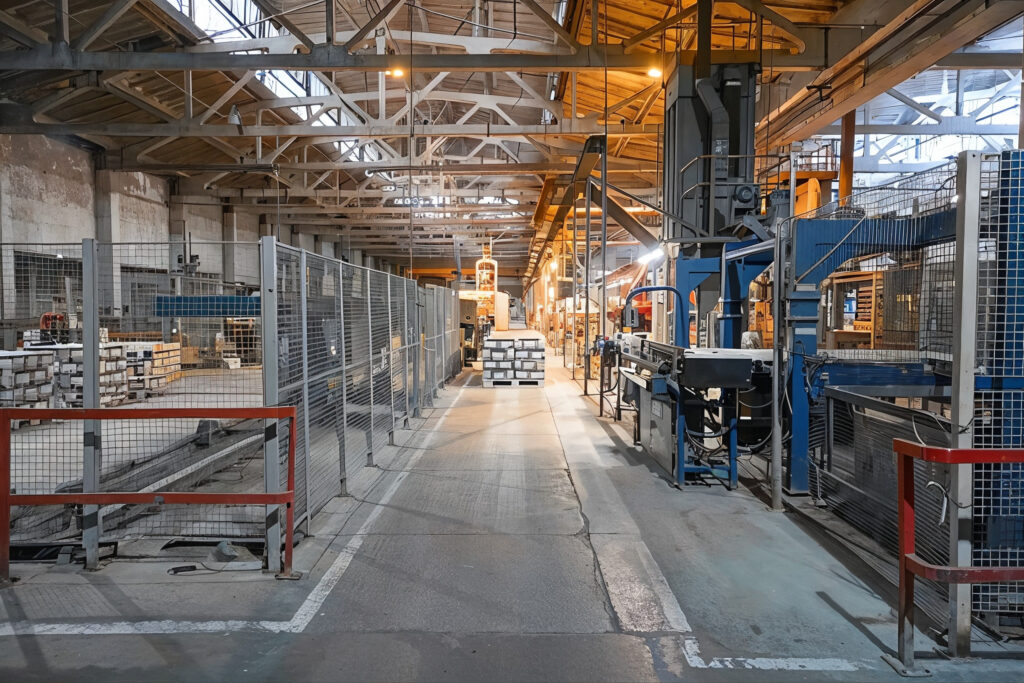
Once construction starts, responsibility is distributed across contractors, equipment vendors and site teams, each working within its own scope and priorities, and the design becomes a reference rather than a fixed point. Changes get introduced on site to solve immediate installation issues, vendors propose alternatives based on availability or cost, contractors interpret drawings differently, and design queries arise that need decisions under time pressure. That exposes the client to several risks at once: the technical risk that systems no longer integrate as intended, the operational risk that the final system does not behave as modelled, the commercial risk of compromises never tested against the business case, and the sustainability risk that the savings and carbon reductions that justified the project are quietly lost. The challenge is not a lack of design. It is the loss of control over how that design is applied during execution.
- Control fragments across contractors, vendors and site teams
- The design becomes a reference, not a fixed point
- On-site changes and substitutions never tested against the business case
- The energy and carbon outcomes quietly slipping away during the build
How EM3 Delivers It
Carry the design intent into the build
We maintain ownership of the engineering logic behind the project, how the systems are meant to operate, how they interact and what constraints must be respected, and carry that intent into the construction phase rather than handing over a drawing and walking away.
Manage design risk and safety
We develop and maintain the design risk registers, identify technical hazards and keep them actively tracked and mitigated, with the structured PSDP risk identification, formal safety reviews and clear communication of residual risks to those responsible on site.
Coordinate across disciplines
We keep the mechanical, electrical, controls and process systems aligned as installation progresses, and respond to the design queries raised by contractors with clarifications that keep on-site decisions consistent with the original engineering intent.
Review submittals and changes
As construction progresses we review the contractor submittals, installation proposals and variations, challenge inconsistencies, and make sure any change is properly assessed from both a technical and a performance perspective, responding to design RFIs as they come up.
Protect the commissioning strategy
We keep delivery aligned with the construction and commissioning strategy defined during design, so the installation sequencing, system integration and commissioning preparation all stay consistent with how the system is intended to operate.
Hold the line to commissioning
We stay involved through to the point the project is ready for commissioning, maintaining visibility on how the system is being built, how deviations are managed and how the final system will actually perform.
What You Receive
A system built to the design
A project that still reflects the design you approved, built in alignment with the engineering intent rather than one that has drifted through construction decisions.
Control over design changes
Clear visibility of what has changed, why it changed and how it affects performance, cost and delivery.
Maintained risk and safety records
Structured documentation of risks, decisions and mitigation: maintained risk registers, safety plans and formal design reviews captured throughout delivery.
Cross-discipline coordination
Mechanical, electrical, controls and process systems kept aligned as installation progresses, with submittals reviewed and RFIs answered.
Protected performance and sustainability
A system that is far more likely to deliver the expected energy savings, carbon reductions and operational improvements, because those outcomes were actively protected during execution.
A commissioning-ready project
Oversight held all the way to commissioning, with deviations managed rather than discovered late.
Proven Outcome
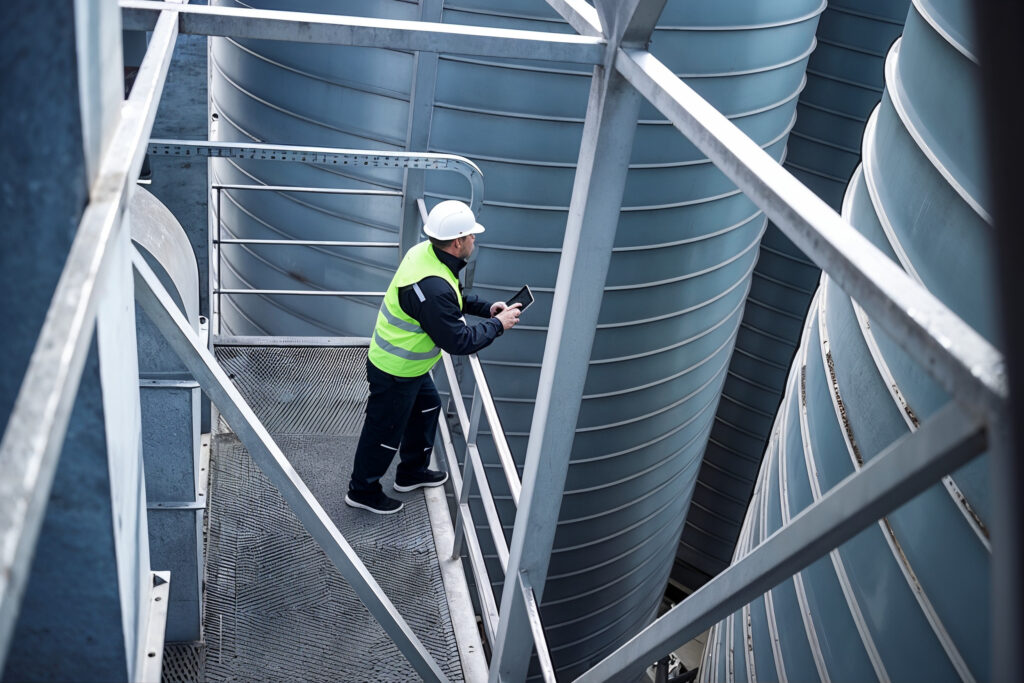
On heat-pump construction-support work, EM3's role runs from integrating the IFC design during the build, through reviewing and approving contractor submittals and responding to design RFIs, to providing procurement clarifications during delivery. Alongside it, the PSDP compliance scope keeps the design risk registers, the structured safety reviews and the hazard identification live throughout the project.
That is what the service looks like in practice. Not a theoretical oversight role, but active control of how the project is interpreted and implemented on site, so the system that gets built is the system that was approved, and the energy and carbon outcomes that justified it are still there at the end.
Why EM3
True lifecycle continuity
The same organisation that defined the project protects it during delivery. We are not reviewing it as an external observer: we understand why the design decisions were made, what assumptions sit behind them and where the real technical risks are, context a third party who was not involved earlier simply cannot recreate.
Independent of the chain
We are not tied to equipment vendors or contractors, so we can challenge decisions made during construction where necessary and keep the project serving your objectives rather than the commercial interests of individual suppliers.
Embedded, not passive
We are actively reviewing submissions, answering site queries, managing design risks and coordinating across disciplines. This is a continuous engineering function embedded in the execution phase, not a periodic sign-off.
Sustainability actively defended
The savings and carbon reductions that justified the project are protected through delivery rather than assumed, which is precisely where most projects quietly lose them.
How We Engage


Frequently Asked Questions
Why do we need oversight if the design is finished?
Because a design alone does not guarantee the outcome. Once construction starts, control fragments across contractors and vendors, the design becomes a reference rather than a fixed point, and the project can quietly shift, technically, operationally, commercially and in its energy and carbon performance.
What is the sustainability risk you protect against?
The energy savings, carbon reductions and performance improvements that justified the project can be lost during construction, through on-site changes, vendor substitutions and time-pressured decisions, even while the project is still being delivered. We actively protect those outcomes.
What do you actually do during construction?
We carry the design intent into the build, maintain the design risk registers and safety reviews, coordinate across disciplines, review contractor submittals and variations, answer design RFIs, and keep the construction and commissioning strategy aligned with how the system is meant to operate.
Is this the same as a PSDP or clerk-of-works role?
It includes formal design risk management and PSDP-style safety review, but it goes further. It is a continuous engineering function that protects the technical intent and the sustainability outcomes, not just compliance.
Why you rather than a third party?
Because we defined the project. We understand why each design decision was made, what assumptions sit behind it and where the real risks are, context a party who was not involved earlier cannot recreate, and we are independent of the vendors and contractors.
How is it engaged?
It runs in parallel with construction and continues to commissioning and handover, and is usually delivered as part of a broader delivery or construction-support scope rather than a standalone fee.
Dig Deeper
 Report
Data centre energy reporting: what the EED requires
The recast EU Energy Efficiency Directive has made data centre energy performance a matter of public record. This report explains…
 Upcoming23 Jun 2026
Multi-site ISO 50001: when group certification works, and when it doesn’t
With Graciano Tornero
 Case study
How a European steel processor cut reheat furnace fuel by 14% per tonne rolled
 Article
Ventilation on demand: the quiet win in mining energy
 Framework
The chemical site electrification framework
A six step engineering method for electrifying chemical process heat: map demand by temperature, reduce it, match technologies to temperature…
 Upcoming30 Jun 2026
US heat electrification reality check: carbon, cost & capacity
With James Dooley