Energy Efficient Asset Replacement That Fixes the System, Not Just the Asset
Engineering-led replacement of end-of-life chillers, boilers and utilities that reassesses your real demand and system before deciding what goes back in, so you replace the asset and improve the plant, instead of baking in old inefficiencies.
- Treats the replacement as a design decision point, not a like-for-like swap
- Reassesses real demand, capacity and system architecture before specifying
- Independent of vendors: the best option on lifecycle cost, not a sale
- Aligns the replacement with future resilience and decarbonisation
- Part of SHV Energy
- ISO 50001
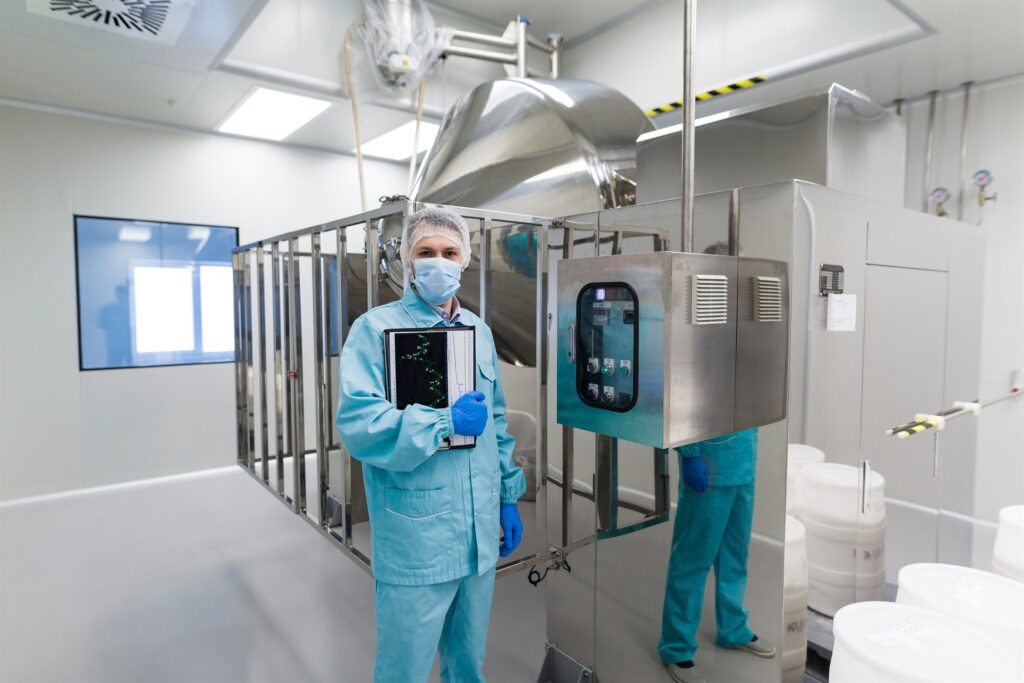
What This Service Is
Energy Efficient Assets Replacement is what EM3 provides when a site has utilities or process-support assets that are reaching end of life, underperforming, creating reliability risk, or locking the site into poor energy performance, and they need to be replaced in a way that improves both plant operation and long-term efficiency.
This is not a like-for-like swap. It is an engineering-led replacement study and delivery path that reassesses the actual site demand, system boundaries, operating conditions and future requirements before deciding what the replacement should be. The technical point matters: we are not just replacing equipment because it is old, we are using the replacement event as a design decision point, reassessing capacity, questioning the system architecture, and identifying whether a more efficient alternative, such as a natural-refrigerant chiller or a heat pump, should now be used. The aim is to replace ageing or inefficient plant in a way that improves system performance, avoids bad capital decisions, and aligns with the site's future energy, resilience and decarbonisation needs.
The Challenge It Solves
The immediate problem is usually that a critical asset is ageing, failing or no longer fit for the site's current or future duty. The deeper problem is that the client does not yet know what the replacement should actually be. They may know a chiller needs replacing or that boilers are reaching end of life, but not whether the current capacity is right, whether the replacement should stay conventional, whether the system architecture should change, or whether a more efficient alternative should now be used. In many cases the existing arrangement turns out to be oversized.
A straightforward replacement can also bake in old design assumptions and long-term inefficiencies. In one case a multi-million capital electrical-infrastructure upgrade had been assumed as the way forward, until the real heat and cooling demand was reassessed and the system redesigned around heat recovery, removing the need for it entirely. The third issue is sequencing and integration: the asset sits inside a live utility network, so the real answer often involves redesigning the surrounding system, not just swapping a single piece of plant.
- A critical asset is ageing or failing, but the right replacement is unclear
- Existing capacity may be oversized or no longer matched to real duty
- A like-for-like swap bakes in old assumptions and long-term inefficiency
- The asset sits in a live utility network, so the real fix is system-wide
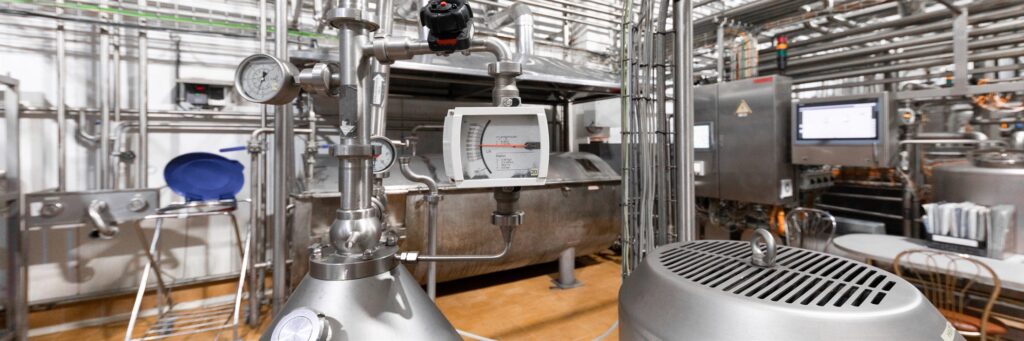
How EM3 Delivers It
Structured engineering assessment
We start with engineering, not vendor selection. We gather historical usage, schematics and electrical one-line drawings, then walk down the site to assess the condition and performance of the existing heating, cooling and electrical systems, identify integration points, confirm utility routing and evaluate the space available for future equipment.
Model the system
Rather than assuming the existing asset size and arrangement are correct, we build a baseline energy model of the current utilities, model the projected performance of the improvement solutions, and quantify electrical and fuel savings, current and future capacity, water and chemical reductions and CO2, alongside equipment sizing, electrical and piping modifications, control requirements and space and access needs.
Option assessment and technology selection
We work alongside vendors but stay independent, using tender analysis and full life-cycle-cost analysis to compare technical efficiency, operating conditions, refrigerant use, maintenance and capital cost. We review steam or hot water, HVAC, compressed air, CIP and heat-pump applicability to identify the right future configuration rather than defaulting to normal practice.
Develop the design package
We develop the design to the appropriate stage, commonly starting at a Basis of Design concept and progressing into deeper engineering if the case is proven, with P&IDs, layout drawings, scope of work, construction schedule, energy and financial modelling and HSE considerations developed to an agreed accuracy.
Into delivery, if justified
If the business case is proven and you proceed, the study feeds cleanly into procurement, construction, commissioning and performance verification, so a replacement that starts as a study does not stall at the report.
What You Receive
A decision-grade engineering package
A costed worklist, concept design output, system-sizing logic, replacement strategy, an energy and carbon savings estimate, and a business case with IRR or payback, typically to around plus or minus 30% accuracy at the Basis of Design stage.
A reassessed replacement strategy
What to replace, at what capacity and in what architecture, based on the real, reassessed demand rather than the size of the asset that is coming out.
Energy, carbon and cost quantification
Electrical and fuel savings, current and future capacity, water and chemical reductions, CO2 and OPEX, all quantified so the case stands up to capital scrutiny.
A utility master plan, where scope allows
Recommended utility strategies and architectures, sizing and capacity-planning guidance, and the alignment of short-term asset decisions with long-term site objectives for defensible capital planning.
Buildable engineering outputs
As the project progresses: P&IDs, layout drawings, construction scope, control requirements and procurement packages.
A clean path into delivery
A study designed to feed directly into procurement, construction, commissioning and verification if the project goes ahead.
Proven Outcome
On a steam-system upgrade at a pharmaceutical manufacturing facility, EM3 replaced end-of-life boilers with a high-efficiency, heat-recovery-driven system: two high-efficiency steam boilers with dual-stage economisers, a feedwater optimiser, a pressurised deaerator and RO treatment, followed by design input, commissioning, performance testing, controls refinement, operator training and handover. The result was around 141,820 euro of annual savings, 476 tonnes of CO2 avoided each year, 4.73 GWh of annual energy savings and a 4.0-year payback.
On another site, replacing ageing chillers with natural-refrigerant units, EM3 linked the replacement to recovering waste heat, estimating around 471,000 pounds a year from the chiller upgrade and a further heat-pump opportunity worth 833 tonnes of Scope 1 CO2 reduction. And in one case, a 12 million euro electrical-infrastructure upgrade that had been assumed as the path forward was avoided entirely once EM3 reassessed the real demand and redesigned around heat recovery. Replacement, done properly, is a chance to fix the system, not just renew the asset.
Why EM3
We question the starting truth
We do not accept the existing asset arrangement as a given. We re-test the demand, the capacity requirement, the surrounding utility interactions and the long-term consequence of the decision, sense-checking momentum and reassessing assumptions before procurement.
Independent of vendors
We work alongside vendors during design while carrying out our own life-cycle-cost and technical analysis. With no ties to equipment or service suppliers, we use an agnostic tender methodology focused on total cost of ownership, to find the genuinely best option.
Designed for the future site
We design replacements in the context of future resilience and decarbonisation, not just immediate plant continuity, making sure short-term actions do not constrain future sustainability initiatives.
It carries into delivery
The same engineering understanding that reassessed the demand carries the project through design, procurement, construction and commissioning, so the decisions made early are practical and buildable.
How We Engage


Frequently Asked Questions
Is this just a like-for-like swap?
No. A straightforward swap bakes in old design assumptions and long-term inefficiencies. We treat the replacement as a design decision point, reassessing the real demand, capacity and system architecture before deciding what goes back in.
How do you decide what the replacement should be?
We model the system rather than assuming the existing size and arrangement are correct, reassess the real demand, and run a life-cycle-cost and technical analysis across the options, including more efficient alternatives such as natural-refrigerant chillers or heat pumps.
Will our existing capacity be reused?
Not automatically. Existing assets are often oversized or no longer matched to the real duty. We define the optimal capacity from reassessed demand, which sometimes means smaller, more efficient plant and avoided capital.
Do you work with equipment vendors?
We work alongside vendors during design, but we stay independent and run an agnostic tender and life-cycle-cost analysis, so the recommendation is the best option on total cost of ownership rather than a sale.
What do we get at the end?
A decision-grade engineering package: a costed worklist, concept design, replacement strategy, energy and carbon savings and a business case with IRR or payback, at roughly plus or minus 30% accuracy at Basis of Design, that feeds cleanly into design and delivery if you proceed.
How long does it take?
Early-stage replacement engineering is typically around six to eight weeks. Later design and delivery stages scale with the size and capital value of the project.
Dig Deeper
 Report
Data centre energy reporting: what the EED requires
The recast EU Energy Efficiency Directive has made data centre energy performance a matter of public record. This report explains…
 Upcoming23 Jun 2026
Multi-site ISO 50001: when group certification works, and when it doesn’t
With Graciano Tornero
 Case study
How a European steel processor cut reheat furnace fuel by 14% per tonne rolled
 Article
Ventilation on demand: the quiet win in mining energy
 Framework
The chemical site electrification framework
A six step engineering method for electrifying chemical process heat: map demand by temperature, reduce it, match technologies to temperature…
 Upcoming30 Jun 2026
US heat electrification reality check: carbon, cost & capacity
With James Dooley