System & Utility Audits That Find Where Your Utilities Waste Energy
Deep, engineering-led audits of the systems that drive most of your energy use, compressed air, steam, HVAC and chilled water, to understand why they really behave the way they do and where to fix it.
- Goes deep into one system, not a high-level review of the whole site
- Assesses the system end to end: generation, distribution and demand
- Combines direct observation, operating-data analysis and engineering evaluation
- Ends in a prioritised, costed improvement plan, not just a diagnosis
- Part of SHV Energy
- ISO 50001

What This Service Is
A System and Utility Audit is a much more focused engagement than a full Energy and Carbon Audit. Instead of looking at the entire site, it goes deep into the specific systems that typically carry the largest operational risk, energy losses and savings potential.
In most industrial facilities a small number of utilities, compressed air, steam, HVAC and chilled water, are responsible for a disproportionate share of energy consumption and cost. These systems are also complex. They evolve over time, are modified repeatedly, and are rarely operating exactly as originally designed.
The purpose of this service is to take one of those systems and understand it properly: not just how it is designed to work, but how it is actually behaving under real operating conditions, and where that behaviour is inefficient, unstable or unnecessarily costly. That is why clients usually use a system audit after, or alongside, a wider audit, going deeper into the systems that matter most.
The Challenge It Solves
By the time a client requests a system-level audit, the issue is already more specific. They are typically dealing with a system that consumes a large amount of energy without a clear explanation, is known to be inefficient but not well understood, and is critical to production, which limits how aggressively it can be changed.
In many cases the system has been modified over years or decades. Equipment has been added, control strategies have changed and demand patterns have shifted. What remains technically works, but does not operate efficiently as a complete system. A compressed air system is a typical example: it may have sufficient installed capacity, modern equipment and regular maintenance, yet still run inefficiently because of pressure settings, sequencing, leaks or a mismatch between supply and demand. The same applies to HVAC and steam systems whose control strategies or design assumptions no longer reflect how the plant operates today.
- A system consuming a large amount of energy, with no clear explanation
- Known to be inefficient, but not well enough understood to fix
- Critical to production, which limits how aggressively it can be changed
- Modified over years, so it works but no longer operates as a coherent system
How EM3 Delivers It
Data collection and review
We gather available metering data, system operating data, design documentation and maintenance records to build an initial picture of how the system is performing and where the anomalies are most likely to lie.
End-to-end on-site investigation
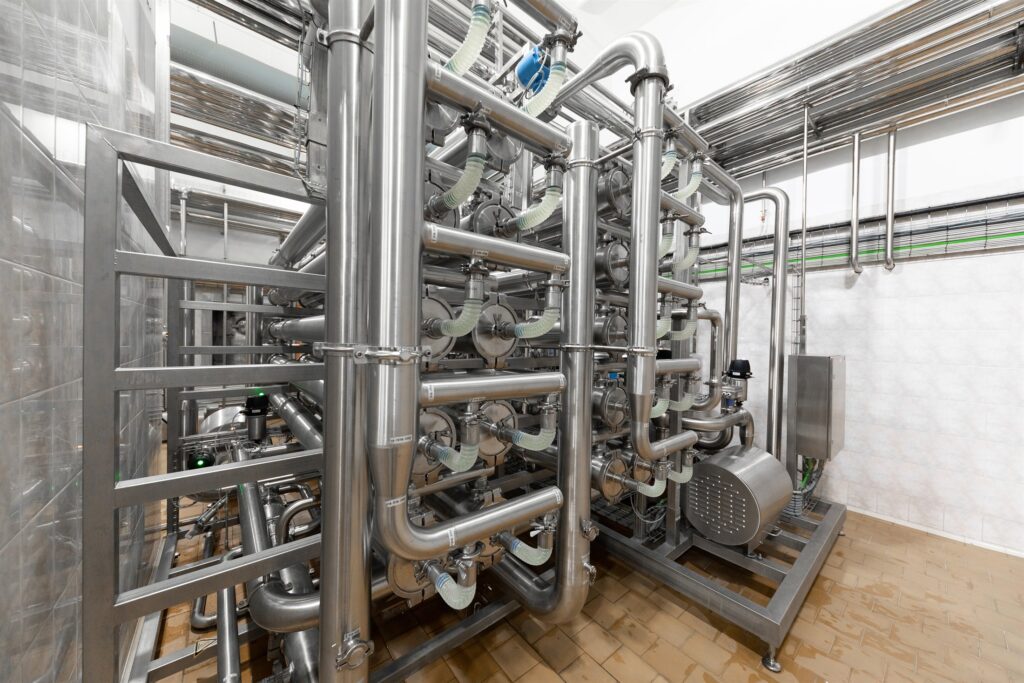
Engineers assess the system as a whole, not just individual assets. A compressed air system, for example, is broken into supply (compressors, controls, generation), transmission (distribution network and pressure profile) and demand (end users, leakage and artificial demand), with each area reviewed in detail.
Engineering evaluation
We combine direct observation, operating-data analysis and engineering evaluation to move beyond assumptions and build a clear, evidence-based understanding of how the system actually behaves, on the supply, distribution and demand sides alike.
Opportunity development
We turn the findings into a system-specific opportunity set, spanning operational improvements such as pressure reduction and sequencing, maintenance actions such as leak reduction and tuning, system modifications such as distribution changes or added storage, and strategic changes such as heat recovery, each with estimated savings, carbon, operational impact and implementation considerations.
Reporting and presentation
We deliver a detailed, system-specific assessment that shows not just what is happening but why, with the opportunities grouped into phases so you can move from quick operational fixes through to more complex system improvements.
What You Receive
Full system performance breakdown
How the system is performing: energy consumption, operating conditions, control behaviour and system interactions, structured to show not just what is happening but why.
Functional analysis
The system assessed by function, for example supply, transmission and demand for compressed air, or air-handling performance, air-change rates and control strategy for HVAC.
System-specific opportunity set
Opportunities tied to your system: operational improvements, maintenance-related actions, system modifications and strategic changes, not generic suggestions.
Each opportunity quantified
Estimated energy savings, estimated carbon reduction, operational impact and implementation considerations for every opportunity.
Phased improvement plan
The opportunities grouped into phases, from quick operational fixes through to more complex system improvements.
A defensible pathway
Not just a diagnosis: a structured plan for improving how the system performs over time, ready to support operational and capital decisions.
Proven Outcome
In one compressed air system audit, EM3 assessed a manufacturing site where the system was considered modern and fit for purpose. The assessment showed that while the design was robust, the system was not operating at optimal efficiency: generation pressures were elevated, supply pressure was mismatched to end-user requirements, the distribution carried constraints, metering was inconsistent and the control strategy was suboptimal.
A key finding was that more than half of the demand could operate at significantly lower pressures than were being supplied, a major energy-saving opportunity. The audit translated these findings into a set of prioritised actions, giving the site a clear pathway to improve performance without compromising reliability. The typical system energy saving identified across this kind of work is illustrative and confirmed for each site in the audit.

Why EM3
Depth of engineering analysis
Rather than reviewing systems at a high level, we break them into how they actually operate, generation, distribution and demand, and evaluate each part in context, surfacing inefficiencies that standard reporting and routine maintenance never reveal.
System behaviour, not single assets
Many inefficiencies exist not because a component is faulty but because the system as a whole is not configured correctly. We focus on how the system behaves, which is where the real savings sit.
Independent of vendors
Recommendations are not tied to specific technologies or suppliers, so decisions are made on overall system performance and long-term value rather than an individual equipment sale.
Goes deep where it matters
A focused audit on the system that drives a disproportionate share of your energy, complementing a wider site audit by going deeper where the biggest gains are found.
How We Engage


Frequently Asked Questions
How is a system audit different from a full energy audit?
A full energy audit looks across the whole site. A system audit goes deep into one system, compressed air, steam, HVAC or chilled water, that drives a disproportionate share of energy use. It is often used after or alongside a wider audit, once the site-level picture is clear and the next step is to go deeper into the systems that matter most.
Which systems do you audit?
The utilities that typically carry the largest energy losses and savings potential: compressed air, steam, HVAC and chilled water. These systems are complex, evolve over time, and are rarely still operating exactly as designed.
What does assessing the system "end to end" mean?
We assess the whole system, generation and supply, transmission and distribution, and demand and end-use, rather than individual assets. Many inefficiencies exist because of how the system is configured, not because a single component is faulty.
Will the audit disrupt production?
The audit is an assessment, not an intervention. We work around your production, and the recommendations are designed to improve performance without compromising reliability, which is critical for systems that are central to production.
What do we receive at the end?
A full breakdown of how the system is performing and why, plus a system-specific, quantified and phased opportunity set, a structured plan you can act on, not just a diagnosis.
How long does it take?
It is a focused, defined-scope project, typically around three to six weeks depending on the system complexity, the size of the facility and the depth of analysis required.
Dig Deeper
 Report
Data centre energy reporting: what the EED requires
The recast EU Energy Efficiency Directive has made data centre energy performance a matter of public record. This report explains…
 Upcoming23 Jun 2026
Multi-site ISO 50001: when group certification works, and when it doesn’t
With Graciano Tornero
 Case study
How a European steel processor cut reheat furnace fuel by 14% per tonne rolled
 Article
Ventilation on demand: the quiet win in mining energy
 Framework
The chemical site electrification framework
A six step engineering method for electrifying chemical process heat: map demand by temperature, reduce it, match technologies to temperature…
 Upcoming30 Jun 2026
US heat electrification reality check: carbon, cost & capacity
With James Dooley