The Stack Is Full Of Money
Kiln and furnace efficiency, waste heat recovery and fuel strategy for the hardest sector in industry to abate. Independent engineering, with results verified to IPMVP.
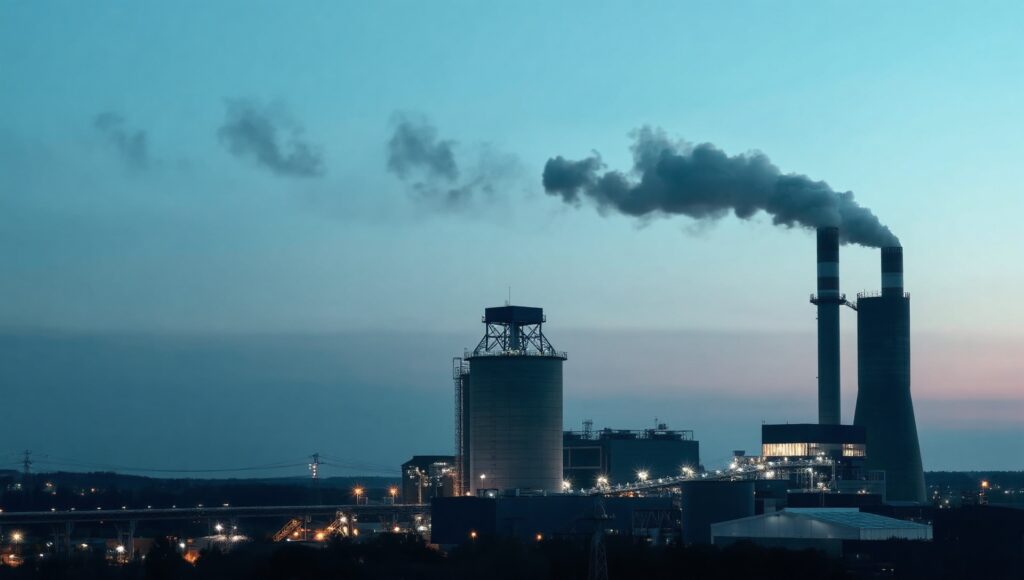
What Makes This Sector Different
Process heat dominates this sector's cost base and its carbon account; the numbers explain why.
Where The Margin Leaks
The pressures we hear from plant managers, process engineers and decarbonisation leads across cement, glass, lime and brick.
The kiln dominates everything
Pyroprocessing takes 93 to 99% of fuel use on a typical cement line, and the glass hot end takes more than 80% of site energy. If a programme does not touch the kiln or the furnace, it does not touch the problem.
ETS exposure compounds every inefficiency
Every wasted gigajoule now costs fuel plus carbon, and free allocation is phasing out from 2026 as CBAM phases in. Measures that looked marginal at fuel-only prices are quietly becoming the best projects on site.
Waste heat leaves the stack unrecovered
Preheater exhaust at 300 to 400 C and clinker cooler vent air routinely leave site unrecovered. Captured properly, these streams can supply up to 30% of a cement plant's own electricity needs.
Alternative fuels raise stability questions
Raising thermal substitution rate changes flame temperature, chlorine loading and bypass requirements. Plants want the fuel cost saving without gambling clinker quality or kiln uptime.
Electric melting and oxy-fuel decisions loom
Furnace rebuilds come once a campaign, and the technology question is now live. Committing without furnace-level data risks locking in the wrong architecture for a decade or more.
Grinding power climbs with product specs
Comminution commonly takes more than 60% of a cement plant's electricity, and finer products push it higher. Mill circuit efficiency is now a board-level number, not a maintenance topic.
What We Engineer In Your Plant
The section worth reading twice: the sub-systems we audit, design and optimise, because this is where the gigajoules actually are.
Kiln and pyroprocessing line
We optimise combustion and excess air, manage kiln shell heat loss and refractory condition, and improve clinker cooler performance across the preheater, precalciner and rotary kiln.
Glass melting furnaces
We assess regenerator and recuperator condition, combustion settings and electric boosting strategy, and model rebuild options including oxy-fuel and hybrid melting.
Waste heat recovery
We map preheater exhaust and cooler vent streams across operating states and engineer recovery to drying, heating or power where the heat balance genuinely allows.
Alternative fuels integration
We engineer thermal substitution rate increases with flame temperature, chlorine loading and bypass implications worked through before the first tonne of SRF is fired.
Grinding and comminution
We benchmark mill circuits in kWh per tonne and evaluate vertical roller mills, high pressure grinding rolls and high efficiency classifiers against measured baselines.
Fans and drives
We rightsize and apply variable speed drives to kiln ID, cooler, combustion air and bag filter fans, where documented retrofits have saved around 5 kWh per tonne.
Compressed air systems
We tackle leak load, pressure set points and zoning on compressed air, including the IS forming machine supply that container glass plants depend on.
Process control for thermal stability
We tighten control loops, O2 trim and operating envelopes so the kiln or furnace holds stable conditions at lower specific heat consumption.
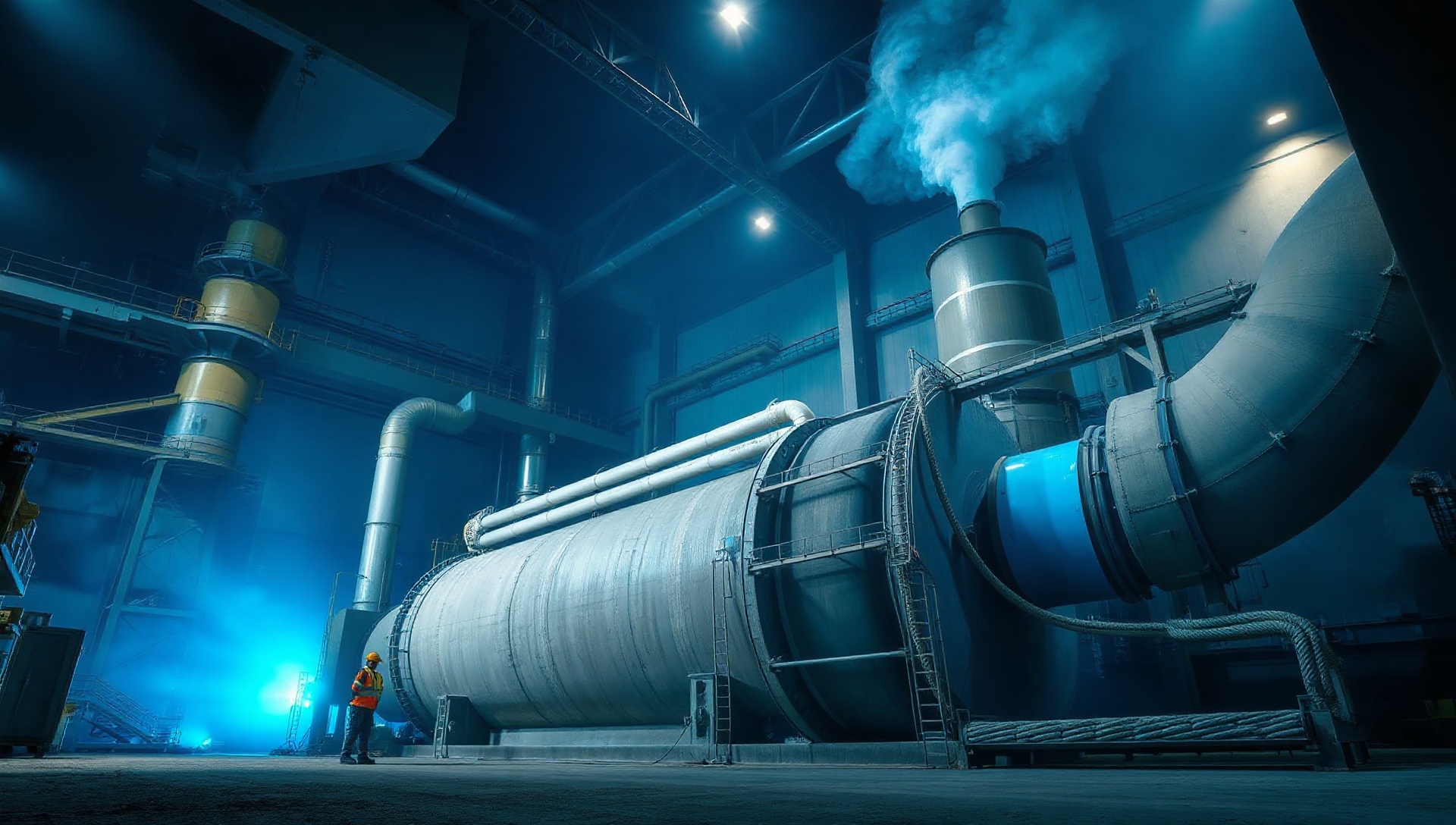
How The Work Gets Done
Every engagement follows the same engineering discipline, whatever the sector.
Discover
Audits, assessments and baseline development that establish what actually drives your energy cost and carbon.
Design
Feasibility, concept design, modelling and the business case that turns an opportunity into a fundable project.
Deliver
Tendering, procurement, engineering design, delivery and commissioning, around production rather than in spite of it.
Manage
Continuous improvement and verified performance, so the gains are still there years later.
Proof You Can Measure
Anonymised, measured and verified to IPMVP: how plants like yours turned stack losses into savings.
Frequently Asked Questions
What can waste heat realistically be used for?
Drying first: on most cement plants the preheater exhaust already dries raw meal and fuel, so genuine surplus depends on raw meal moisture. After drying, look at heating duties on or near the site, then power generation through steam Rankine or ORC systems, which can supply up to 30% of a cement plant's electricity needs. We map every stream by temperature, flow and operating state before recommending anything, because the ranking changes plant by plant.
Do alternative fuels destabilise the kiln?
Not when the substitution is engineered rather than procured. Higher thermal substitution rates change flame temperature, chlorine loading and bypass requirements, and each needs working through before firing. Leading European plants run above 40 to 50% TSR with stable clinker quality, which shows what disciplined integration can deliver. We treat alternative fuels as a process engineering project: trials, instrumentation and a stability envelope, not just a cheaper fuel contract.
How does ETS exposure change project economics?
It adds a carbon value to every gigajoule of fossil fuel saved, on top of the fuel price. With free allocation phasing out from 2026 as CBAM phases in, that value is rising and increasingly unavoidable. Practically, it shortens paybacks, promotes thermal measures up the ranking and makes waste heat recovery and fuel switching easier to sanction. We model energy and carbon together so the register reflects what each measure is actually worth.
Start With The Stack
Bring us your kiln, your furnace and twelve months of fuel and ETS data. We will tell you what the stack is costing you and what to do about it.


