Energy and Decarbonisation Support for Pharmaceutical and Nutraceutical Manufacturers
Reduce energy cost, improve utility performance and build a practical decarbonisation roadmap without compromising production, quality or compliance.
EM3 works with pharmaceutical, biopharma and nutraceutical manufacturers to identify where energy is being lost, prove which opportunities are worth investment, and support delivery from audit through to engineering, funding, implementation and ongoing performance management.

Trusted by Leading Pharmaceutical, Biopharma and Advanced Manufacturing Teams
EM3 has supported complex manufacturing sites and leading pharmaceutical manufacturer across 27 manufacturing sites, identifying more than 950 opportunities and helping select 380 projects for implementation.
In life sciences environments, our work typically spans energy audits, carbon baselines, utility optimisation, heat recovery, heat electrification, ISO 50001 support, grant and rebate support, and long-term decarbonisation roadmaps.
Typical Projects Delivered
- Industrial Energy Audits
- Decarbonisation Roadmaps
- Heat Electrification Studies
- Steam System Optimisation
- HVAC & Cleanroom Optimisation
- Utility Infrastructure Upgrades
- ISO 50001 Programmes
- Net Zero Strategy Development
Trusted across pharma, biotech, food & industry


















Where Energy Performance, Production Reliability and Compliance Have to Work Together
Pharmaceutical and nutraceutical facilities do not have the luxury of treating energy as a standalone issue. Cleanrooms, HVAC, compressed air, chilled water, process heat, steam, purified water and production utilities all have to perform reliably while meeting strict quality and operating requirements.
That is why a generic energy-saving exercise is not enough. The challenge is to reduce waste, cost and carbon while protecting production conditions, product quality, regulatory expectations and site resilience.
EM3's role is to bring engineering clarity into that decision-making process. We help site teams understand what is actually driving energy use, where the highest-value opportunities sit, what needs further investigation, and which projects can become credible business cases.
The work can start with an audit, but it should not end with a report. For many manufacturers, the real value comes from turning findings into sequenced actions: quick operational improvements, feasibility studies, capital projects, funding applications, energy management systems and measurable long-term performance.
What Makes This Sector Different
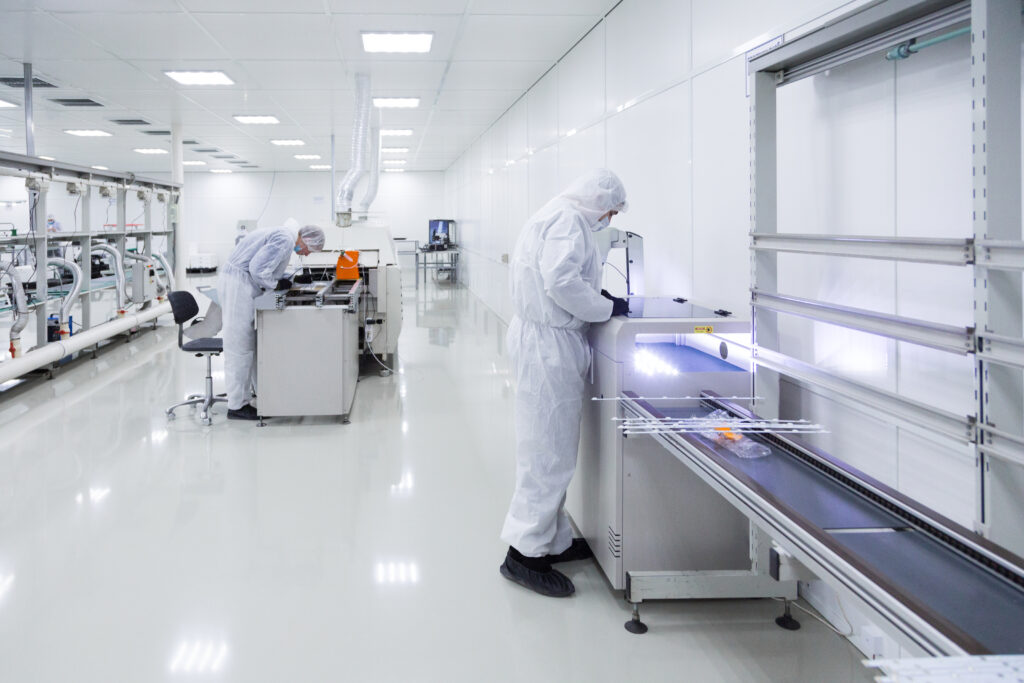
Pharmaceutical and nutraceutical manufacturing sites are often energy-intensive because production environments depend on controlled air quality, temperature, humidity, pressure, cooling, heating and utility systems. In cleanroom and GMP environments, energy reduction has to be approached carefully because environmental control is part of product protection and operational compliance.
Energy Use Is High, But the Real Challenge Is Decision Quality.
Many sites already have data, audits, project ideas and decarbonisation targets. The problem is that the information does not always show what should happen first. In a live manufacturing environment, energy cost is spread across production loads, utility systems, control strategies, heating and cooling demand, compressed air, metering gaps and operating routines that have built up over time.
Managing energy-intensive production environments
Cleanrooms, laboratories and controlled manufacturing areas can require high levels of ventilation, filtration, temperature and humidity control. These systems often run continuously, which makes them major energy users. The opportunity is not to compromise control; it is to understand what the process genuinely requires and where systems may be over-specified, poorly scheduled, imbalanced or operating away from design intent.
Reducing carbon without increasing operational risk
For pharmaceutical and nutraceutical manufacturers, decarbonisation cannot be treated as a simple technology swap. A heat pump, electric boiler, HVAC change or utility upgrade has to be tested against production needs, quality expectations, resilience, electrical infrastructure, operating cost and maintenance capability.
Turning site data into capital decisions
Energy teams often know there are opportunities on site, but they need a defensible way to prioritise them. Finance and leadership teams need more than a list of ideas. They need quantified savings, capital cost estimates, risk context, implementation sequencing, incentives or rebates where relevant, and a clear view of what should move now, later or not at all.
Keeping performance from drifting
Even well-designed energy programmes can lose value after commissioning if metering, ownership, operating routines and review structures are weak. Sustained savings depend on ongoing monitoring, measurement and verification, governance, and the ability to spot when performance starts to move away from the expected baseline.
Start With the Systems That Shape Cost, Carbon and Resilience.
This is the technical centre of the work. We engineer the energy sub-systems that GMP manufacturing depends on, each with the contamination-control need protected and the evidence trail intact.
HVAC and cleanroom optimisation
HVAC and cleanroom systems are often among the most significant energy users in pharmaceutical manufacturing. EM3 looks at air change rates, operating schedules, pressure cascades, temperature and humidity control, heat recovery, control logic and system interactions. The objective is to reduce unnecessary energy use while protecting the validated operating conditions the site depends on.
Process heating and steam systems
Steam, hot water and process heat are central to many manufacturing sites. Opportunities can include reducing demand, improving condensate return, addressing steam losses, optimising boiler operation, recovering waste heat and assessing where lower-carbon heat technologies can be integrated.
Heat recovery
Many sites reject useful heat from compressors, chillers, HVAC systems, refrigeration or process equipment. Recovering and reusing that heat can reduce fuel demand before larger electrification or infrastructure projects are considered.
Heat electrification
Industrial heat pumps, electric boilers and other electric technologies can play an important role where the temperature profile, heat source, operating pattern, electrical capacity and business case make sense. EM3's approach is to assess the real heat sinks and sources first, so systems are not oversized or pushed into the wrong application.
Metering, energy management and ISO 50001
Better decisions depend on reliable data. Meter gap analysis, EnPI mapping, baseline development, ISO 50001 implementation and ongoing energy management help sites move from one-off projects to repeatable performance improvement.
From Site Reality to Investable Action
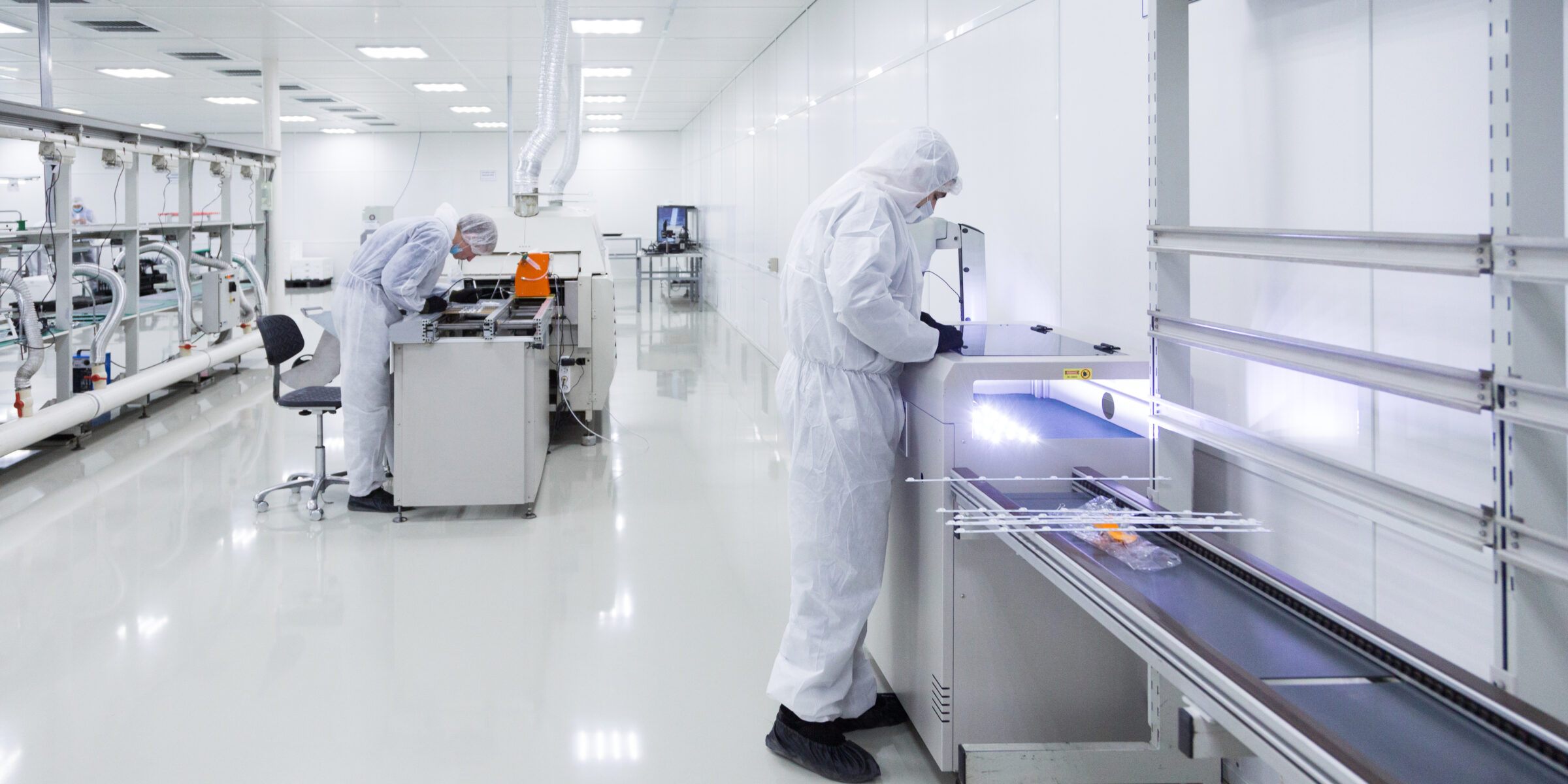
EM3 supports pharmaceutical and nutraceutical manufacturers across the full energy and decarbonisation journey. The work is not limited to identifying savings. It is about helping teams make better decisions, protect capital and deliver projects that work in the real plant.
Understand the site reality
We review utility data, production context, operating schedules, metering, major energy users and site constraints to understand what is actually driving cost and carbon.
Identify and quantify opportunities
We assess the systems that matter most: HVAC, cleanrooms, steam, hot water, chilled water, compressed air, refrigeration, process equipment, metering and controls. Opportunities are quantified technically and financially, not left as generic recommendations.
Build the business case
We develop the evidence leadership teams need to make decisions: baselines, opportunity registers, financial appraisals, Marginal Abatement Cost Curves, implementation roadmaps, grant and rebate mapping, and risk context.
Support design and delivery
Where projects move forward, EM3 can support feasibility studies, concept design, developed design, tender support, procurement, construction-stage support, commissioning and measurement and verification.
Sustain performance
Through energy management services, ISO 50001 support, SAPERA, metering reviews and ongoing performance analysis, EM3 helps sites keep savings visible after projects are delivered.
Proven Results
Pharmaceutical sites already trust EM3 to cut energy without touching product risk, including a 59% carbon reduction at a leading pharmaceutical company, a supply chain headquarters decarbonisation and a ten-site carbon neutrality path in animal healthcare.
- 27Manufacturing sites
- 950+Opportunities identified
- 380Projects selected
- $140mTen-year investment programme
- 59%Projected carbon reduction
Global Pharmaceutical Carbon Reduction Programme
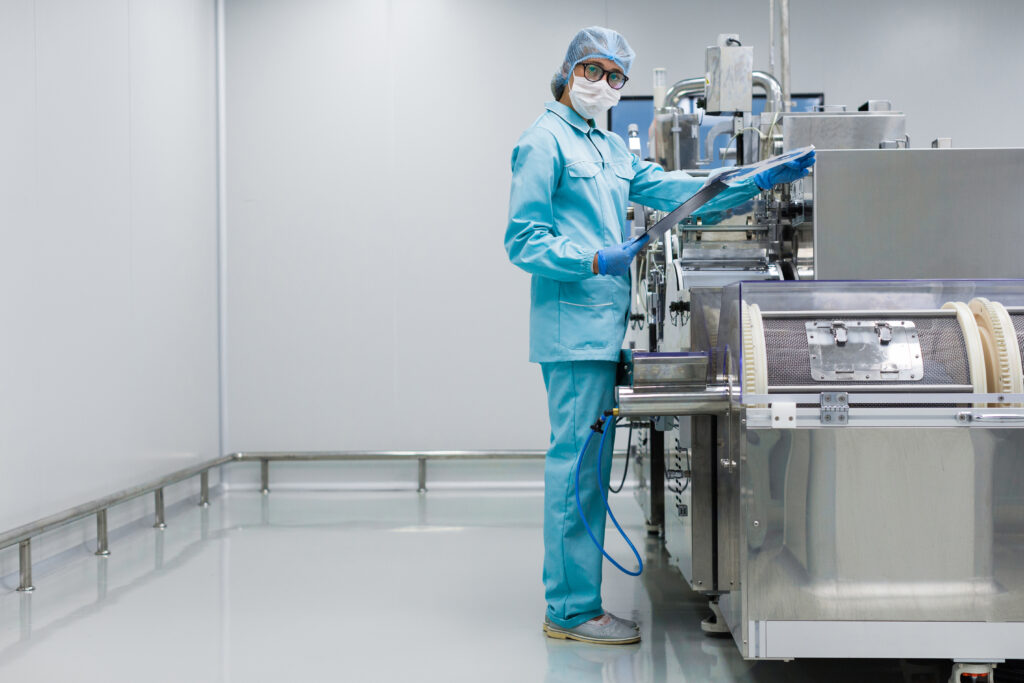
A leading pharmaceutical manufacturer partnered with EM3 across 27 manufacturing sites in the United States, Europe and Asia. EM3's audit work identified more than 950 energy opportunities. Around 380 projects were selected for implementation, with a ten-year investment programme of approximately $140 million. The programme is projected to deliver a 59% reduction in total carbon emissions.

Heat Electrification and Utility Upgrade for a Pharmaceutical Site
EM3 has supported pharmaceutical manufacturing sites with heat pump and utility upgrade projects where the objective was to reduce fossil fuel use while maintaining reliable heating and cooling performance. For one pharmaceutical application referenced in EM3 materials, the proposed heat pump solution was designed to supply the site's low-pressure hot water load with steam retained as backup, with projected annual financial savings and CO2 savings documented in the project material.
Practical Resources for Pharmaceutical & Nutraceutical Manufacturers
What an Industrial Energy Audit Actually Delivers
Download the report Energy Audits & Compliance
What an Industrial Energy Audit Actually Delivers
A practical guide to what a proper audit should show, why most fall short, and how the right approach turns…
 Article
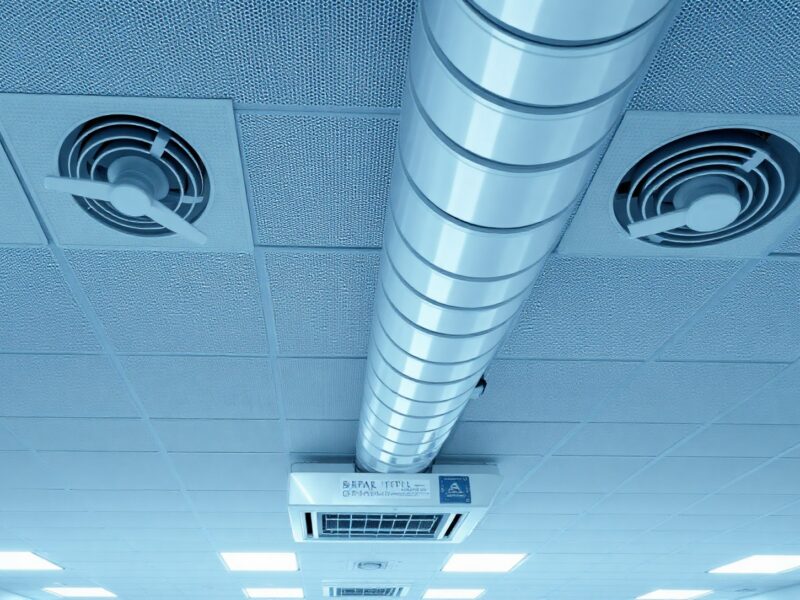
Reducing cleanroom air change rates without touching compliance
 Article
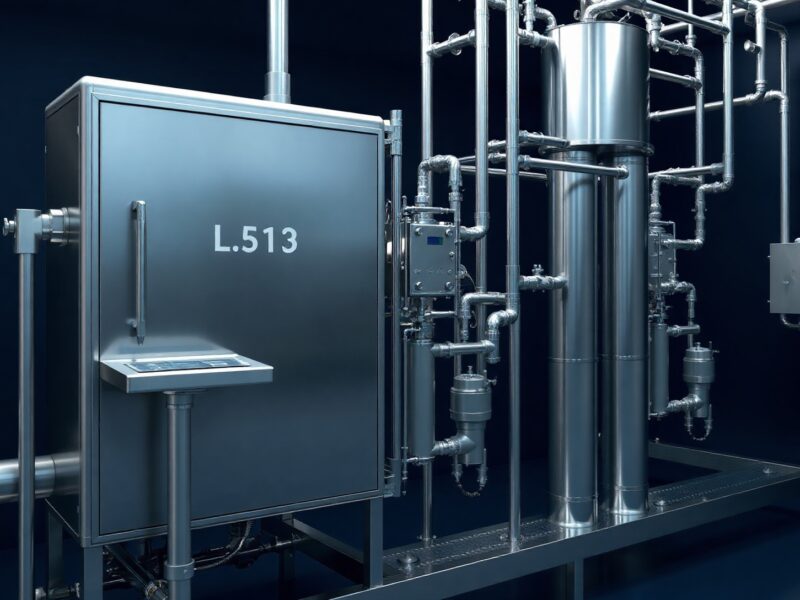
Cold WFI: what membrane generation changes for site energy
Latest Industry News & Regulatory Updates
 European Commission
EU Energy Efficiency Directive changes
The revised EU Energy Efficiency Directive shifts obligations toward energy consumption thresholds. Enterprises above 10 TJ annual energy consumption may be required to complete regular energy audits, while enterprises above 85 TJ may need an energy management system, depending on national implementation.
Read the source International Energy Agency
Industrial heat electrification is moving from theory to delivery
The International Energy Agency notes that low-temperature industrial heat and steam offer near-term opportunities for electrification, especially when sites reduce demand and recover waste heat before sizing electric technologies.
Read the source Science Based Targets initiative
Pharma and biotech carbon pressure is increasing
External sector analysis continues to show growing pressure on biotech and pharmaceutical companies to reduce operational emissions and address wider value-chain emissions. For manufacturers, this strengthens the case for practical Scope 1 and Scope 2 action at site level.
Read the source
Frequently Asked Questions
What are the largest energy users in a pharmaceutical manufacturing facility?
It varies by site, but HVAC, cleanrooms, process heating, steam, chilled water, compressed air, refrigeration, purified water and production utilities are often major contributors. A proper audit should confirm this with site data rather than assumptions.
Can pharmaceutical sites reduce energy use without affecting compliance?
Yes, but the work has to be controlled, evidence-based and aligned with validated operating requirements. The goal is not to weaken environmental control; it is to remove waste, improve scheduling, optimise controls and challenge unnecessary energy use while protecting product quality and compliance.
Is heat electrification suitable for pharmaceutical manufacturing?
Sometimes. It depends on the heat temperature, operating profile, available heat sources, electrical capacity, resilience requirements, cost of electricity and gas, and the business case. The first step is a proper assessment of heat sinks, heat sources and demand reduction opportunities.
Where should a manufacturer start?
Start with clarity. Build a reliable energy and carbon baseline, identify significant energy users, understand which systems are driving cost, and develop a prioritised opportunity register. From there, the right projects can move into feasibility, funding, design and delivery.
What does EM3 deliver at the end of an audit or roadmap?
Typical outputs include an energy and carbon baseline, significant energy user analysis, site energy flow, opportunity register, financial appraisals, Marginal Abatement Cost Curve, grant and incentive mapping, phased roadmap and practical next steps for engineering and leadership teams.
How does ISO 50001 support pharmaceutical manufacturers?
ISO 50001 gives sites a structured energy management system for baselines, EnPIs, significant energy uses, governance, internal audits, management review and continual improvement. For energy-intensive organisations, it can also support compliance with current and emerging energy management obligations.
Independent, Engineering-Led and Focused on Decisions That Survive Scrutiny
Pharmaceutical and nutraceutical manufacturers work with EM3 because our role sits between site reality, capital decisions and long-term performance. We are not a vendor trying to sell equipment, and we are not producing reports for the sake of reporting. We help teams understand what is worth doing, why it matters, what it will cost, what it should save, and how to move it forward without losing sight of operational risk.
- Engineering-led audits and decarbonisation planning
- Experience across complex manufacturing and regulated environments
- Independent, vendor-neutral advice
- Strong focus on business cases and capital prioritisation
- Support from audit through feasibility, design, delivery and M&V
- Ongoing energy management capability through SAPERA and ISO 50001 support
Ready to Find the Next Practical Energy Opportunity on Your Site?
Whether you need to reduce energy cost, improve utility performance, prepare for energy management obligations or build a credible decarbonisation roadmap, EM3 can help you identify the opportunities that are technically sound, financially defensible and realistic for your site.
Tell us what you are trying to solve: cost reduction, audit support, heat electrification, ISO 50001, utility optimisation, funding support or roadmap development.


